The most effective water-saving yard habits are simple: water only when plants need it, fix irrigation problems quickly, group plants by water needs, protect soil with mulch, and choose plants that fit local climate and site conditions. The biggest gains usually come from better timing and better landscape design, not from letting everything dry out.
TL;DR: Start with leaks and sprinkler overspray, adjust watering to weather and season, water roots rather than pavement, use mulch and climate-appropriate plants, and check local rules before collecting rainwater or changing irrigation practices.
Water Efficiency Starts With Knowing Where the Water Goes
A water-conscious landscape coordinates plant choice, soil, irrigation, and maintenance so water reaches roots with minimal loss.
The U.S. EPA WaterSense program notes that outdoor residential water use is largely tied to landscape irrigation and recommends a whole-yard approach that combines appropriate plants, efficient irrigation, maintenance, and seasonal scheduling. Its current outdoor water-efficiency guidance is a useful national starting point, but local climate, utility restrictions, rainfall, soil, and plant species should always shape the final plan.
Before replacing a sprinkler system or redesigning beds, observe the yard. Look for puddles, dry corners, runoff, misting heads, clogged emitters, compacted soil, and mismatched plant water needs within the same zone.
Habit 1: Water Based on Need Instead of the Calendar
A fixed schedule is convenient, but landscape demand changes with heat, rain, wind, season, soil, and plant maturity. Treat the controller schedule as a starting point, not a permanent setting.
Reduce or pause irrigation after meaningful rainfall and shorten runtimes in cooler or wetter periods. New plants may need closer attention during establishment, but mature landscapes should be reassessed rather than left on their original schedule.
Habit 2: Water Deeply Enough to Reach Roots Without Creating Runoff
Aim for useful root-zone moisture without runoff. Long continuous runs can overwhelm dense soil or slopes, while very brief watering may only wet the surface.
EPA WaterSense recommends cycle-and-soak scheduling where water pools or runs off: split a total runtime into shorter cycles with pauses so water can infiltrate. Check the soil afterward with a trowel or probe. If the surface is wet but deeper soil remains dry, adjust the application method rather than simply adding more time.
Habit 3: Stop Watering Hardscape
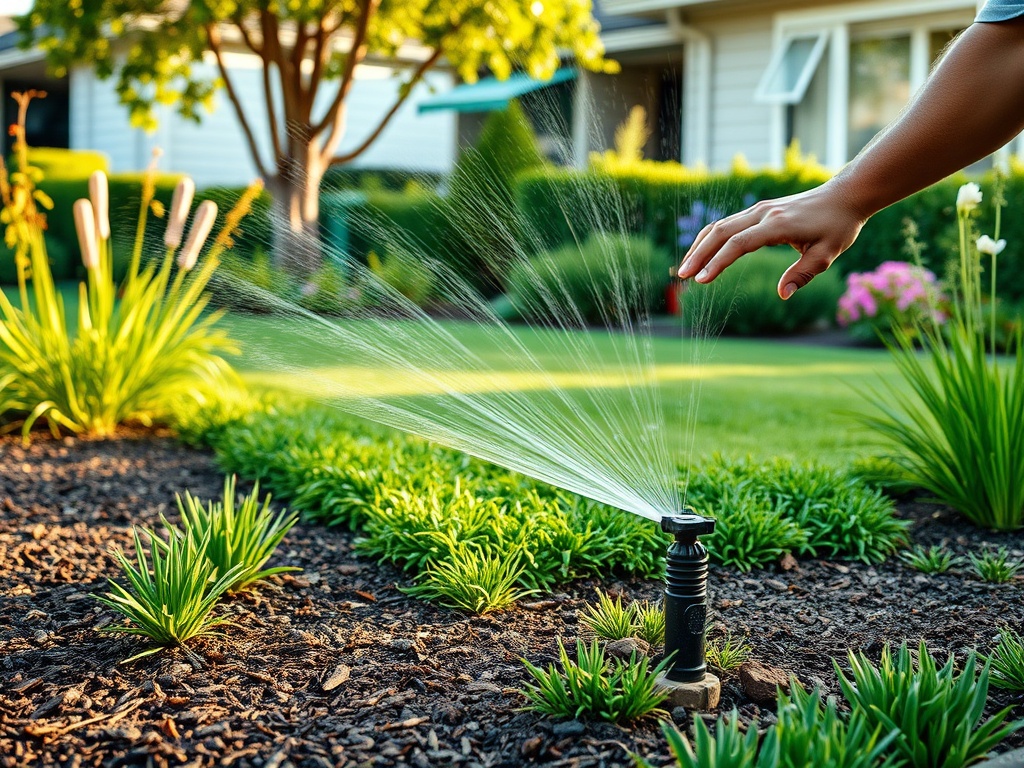
Overspray is one of the easiest forms of water waste to spot. Watch each irrigation zone while it runs. Heads that spray sidewalks, walls, fences, or the street need adjustment, cleaning, repositioning, or repair.
Also look for fine mist instead of larger droplets. Excess pressure can cause spray to drift and evaporate more readily. WaterSense-labeled pressure-regulating sprinkler bodies are one option for some systems, but correct design and maintenance still matter.
A monthly visual check is a reasonable habit during the irrigation season. EPA's watering tips specifically encourage inspecting systems for leaks, broken or clogged heads, and other problems. A few minutes of observation can catch failures before they affect an entire zone.
Habit 4: Group Plants With Similar Water Needs
A thirsty lawn, established shrub, vegetable bed, and native perennial should not automatically receive the same watering schedule. When plants with different needs are tied to one zone, one group is likely to get too much or too little.
Hydrozoning means grouping plants by similar water requirements and site conditions. Sun exposure matters too: a shaded bed may stay moist much longer than a south-facing strip beside pavement.
If you are renovating a landscape, map the yard before buying plants. Mark full sun, afternoon shade, low areas, slopes, existing irrigation zones, roof runoff, and spaces where turf is genuinely useful. This makes it easier to choose plants that fit the site rather than using irrigation to compensate for poor placement.
Habit 5: Use Mulch Where It Makes Sense
Mulch can reduce exposed soil evaporation, moderate soil temperature, and suppress weeds that compete for water. It also helps reduce soil crusting from heavy rain or irrigation in many beds.
Keep mulch depth appropriate to the material and plant type, and do not pile it against trunks or stems. Overly deep mulch can keep crowns too wet, hide irrigation problems, or create other plant-health issues. Local extension recommendations are more useful than a universal depth because material, climate, and plant type differ.
Organic mulch also changes over time. Top it up based on actual condition rather than automatically adding a new layer every season.
Habit 6: Choose Plants for the Climate and the Specific Spot
Choose plants for the actual site: sun, drainage, mature size, heat, cold, and local climate. Native plants can be useful, but “native” does not mean “never needs water,” especially during establishment.
Use regional extension, botanical garden, conservation district, or utility plant lists. Keep turf where it serves a purpose and consider lower-water alternatives in narrow strips, steep slopes, or other areas that are difficult to irrigate efficiently.
Habit 7: Give New Plants a Different Schedule From Established Ones
New trees, shrubs, perennials, and lawns often need more attentive establishment watering because their roots occupy a limited soil volume. As they establish, reassess frequency and the wetted area rather than leaving the original schedule unchanged indefinitely.
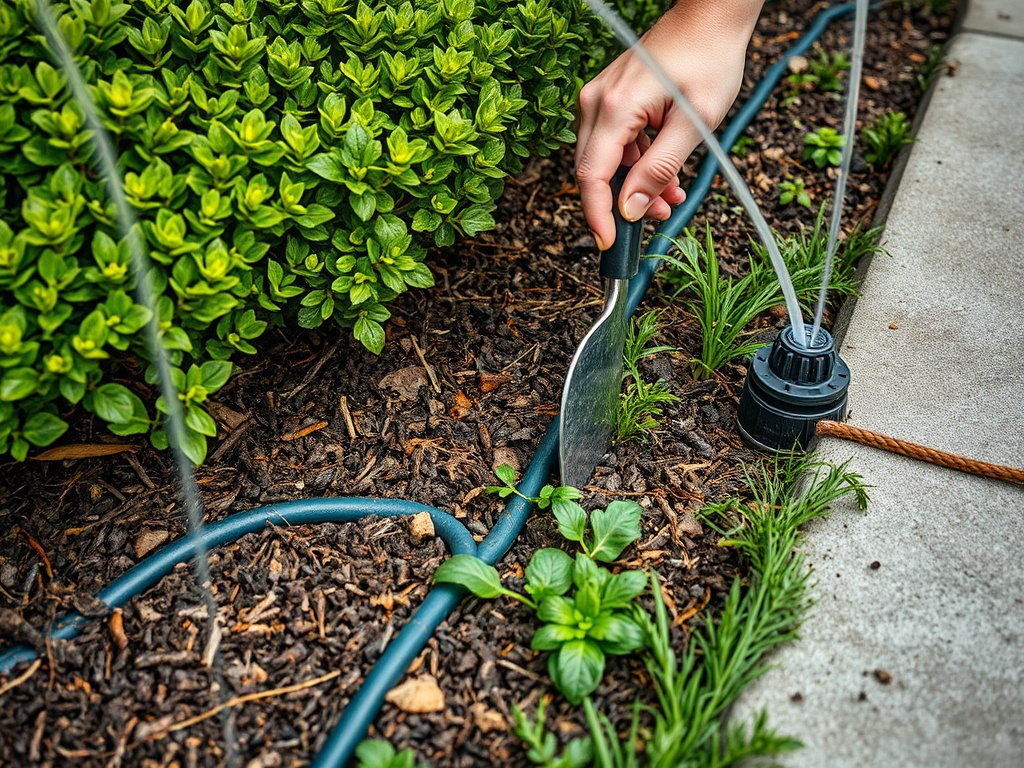
Check emitters around growing plants too. Drip tubing can shift or become buried, and the original emitter placement may no longer match a larger root zone.
Habit 8: Use Rainwater Carefully and Legally
Rain barrels, cisterns, and redirected downspouts can supplement irrigation where appropriate. WaterSense notes that rainwater-harvesting rules vary by state, so check local requirements first.
Use screened inlets, a stable container, and a controlled overflow path. Consider water quality and mosquito control, and match stored rainwater use to suitable plants and local guidance.
Habit 9: Upgrade Controls Only After the Basic System Works
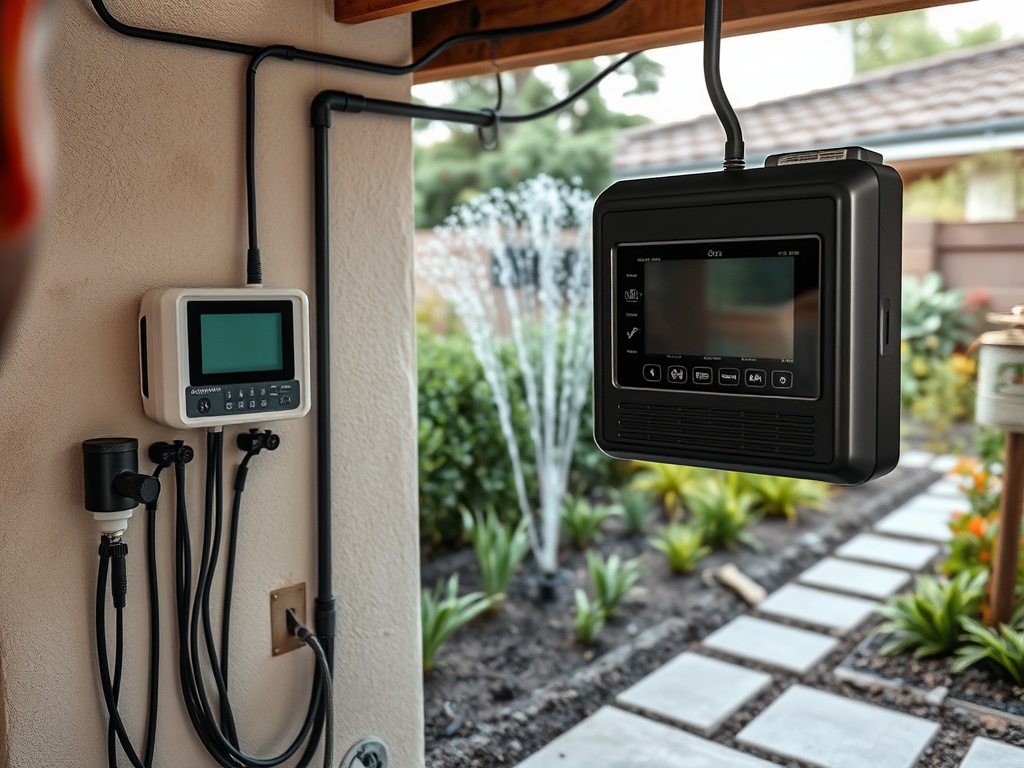
Smart controllers can reduce unnecessary watering, but they cannot fix leaks, bad heads, clogged emitters, or poor zone design. Repair the physical system first.
Weather- and soil-moisture-based controllers can then help schedules respond to conditions. If you use hoses instead, check soil before watering and use a timer so watering does not continue by accident. Keep plant-care application tools separate from irrigation hardware; garden sprayer basics explains the main sprayer types and maintenance needs.
Common Water-Saving Mistakes
| Mistake | Why it causes problems | Better habit |
|---|---|---|
| Watering every zone for the same time | Plant and soil needs differ | Adjust by zone and season |
| Adding more water to every brown patch | The cause may be pests or poor coverage | Diagnose first |
| Installing smart controls on a faulty system | Automation cannot repair leaks or bad heads | Fix hardware first |
| Replacing all plants with “drought tolerant” choices | Site fit still matters | Choose for local climate and microclimate |
| Assuming rain barrels are unrestricted everywhere | Rules differ by jurisdiction | Check local requirements |
Turn Water Efficiency Into a Routine
A practical routine is more valuable than a one-time upgrade. At the start of the irrigation season, run every zone and repair obvious problems. During the season, adjust schedules to weather, check soil rather than guessing, and watch for runoff. Keep irrigation off doors and building hardware where possible; garage door maintenance is easier when exterior components are not repeatedly soaked. As plants mature, revisit their water needs.
Water conservation works best when the landscape remains healthy. The goal is not simply to use less water; it is to avoid using water where it does not help the plants or the site.
Home and garden information is provided for educational purposes only. Watering restrictions, rainwater-harvesting rules, plant needs, and irrigation standards vary by location; follow local requirements and qualified horticultural guidance where appropriate.[/