Playing surfaces matter because the ground or court changes speed, bounce, grip, fatigue, safety, and the way athletes make decisions. Beginners understand games faster when they notice how turf, clay, hardwood, grass, ice, and sand shape movement instead of treating every sport as if it plays the same way.
Quick takeaway: Surface is not background scenery. It is part of the sport: it changes footing, ball behavior, equipment choices, pacing, and risk management.
Surface Is Part of the Rule Environment
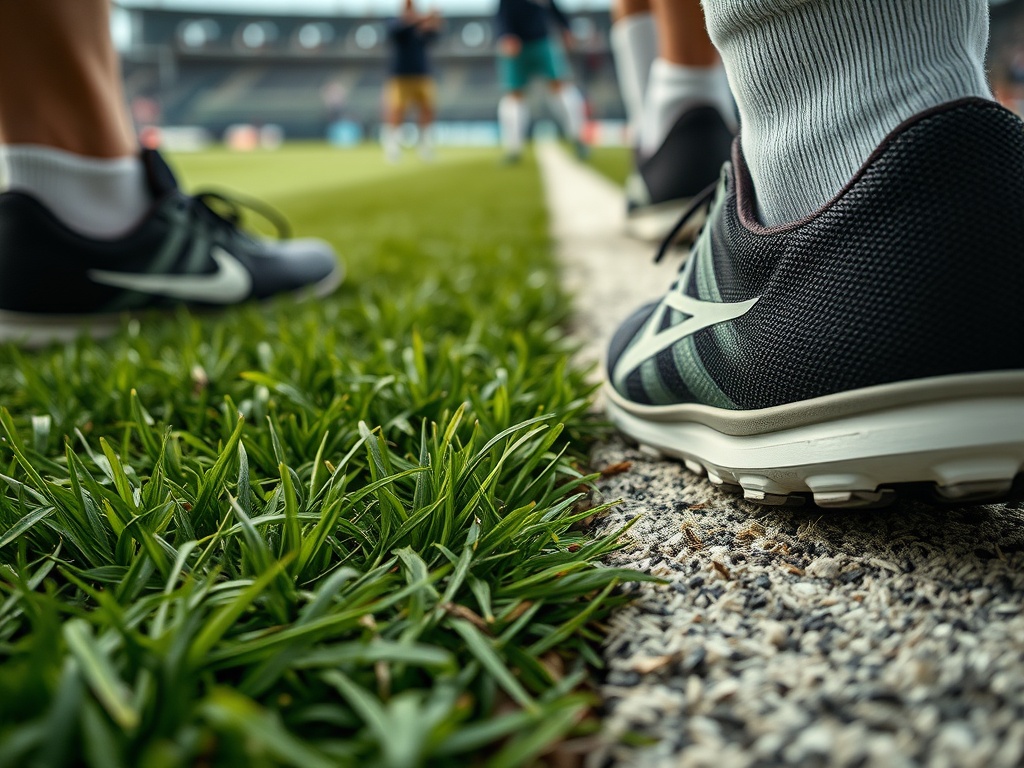
A playing surface is the material athletes move across and the object, puck, or ball reacts against. In soccer, natural grass and football turf can affect traction and ball roll. In tennis, clay slows the ball and produces a higher bounce than many hard courts. In basketball, a polished hardwood floor rewards clean footwork and quick changes of direction. On ice, speed depends on edge control; on sand, every step is less stable and more energy expensive. That is why the same athlete can look sharp in one setting and less comfortable in another without any real change in talent.
For field sports, surface quality is also a safety and performance concern. FIFA describes the playing surface as central to football because it affects player safety, performance, and the quality of the match experience, a useful reminder for anyone comparing grass, turf, or hybrid systems. Readers who want a broader foundation can also compare this topic with map awareness across games and team sports, because both subjects show how environment changes decision-making before the highlight play happens.
How Each Common Surface Changes the Game
The easiest way to understand surfaces is to ask three questions: how fast does the ball or player move, how predictable is the bounce or slide, and how much does the body absorb on every step? Turf can feel consistent and playable in varied weather, but poor maintenance can change traction. Clay rewards patience and recovery positioning. Hardwood rewards balance and sharp spacing. Natural grass can vary with weather, length, and soil. Ice demands glide control and stopping skill. Sand slows explosive movement but builds balance and conditioning.
Quick Comparison for New Players
| Surface | Main Effect | Beginner Reminder |
|---|---|---|
| Turf | Consistent speed and grip, but traction varies by product and wear | Check seams and choose suitable footwear |
| Clay | Slower ball, higher bounce, more sliding | Expect longer rallies and controlled recovery |
| Hardwood | Quick cuts, true bounce, high demand on balance | Use indoor shoes with clean soles |
| Grass | Variable bounce and footing based on weather and maintenance | Warm up gradually before sprinting |
| Ice | High speed with edge-based stopping and turning | Control matters more than raw speed |
| Sand | Reduced stability and higher energy cost | Shorten steps and manage fatigue |
Beginner Misunderstandings to Avoid
A common mistake is assuming the fastest surface is always the most “advanced.” Fast conditions can make timing harder, but slower surfaces often require more patience, endurance, and tactical discipline. Another mistake is wearing the same footwear everywhere. Cleats, court shoes, skates, and sand training choices exist because surfaces ask different things from the body.
Surface also affects officiating and expectations. Sliding may be routine on clay or turf but unsafe on some indoor courts. Bounces that look strange on grass may be normal when the ground is uneven or damp. Athletes and parents should treat surface adaptation as part of learning the sport, not as an excuse after a poor session. A practical safety lens pairs well with sports safety checklists for practice and travel, especially when teams move between venues.
Smarter Habits for Surface Changes
Before a session, inspect the surface for wet spots, loose seams, debris, hard patches, soft patches, or unusual glare. During warm-up, test stops, turns, and acceleration at moderate intensity before going full speed. After the session, note whether soreness came from workload, footwear, or the surface itself. Coaches can use this information to adjust drill volume and recovery rather than simply repeating the same plan.
For beginners, the best habit is simple observation: watch how experienced players use the surface. On clay, they may slide into recovery. On ice, they angle their body before contact. On hardwood, they keep feet under their hips. On sand, they shorten steps and avoid overstriding. These small clues make the game easier to read.
A Useful Way to Think About Surfaces
A playing surface is a constraint that teaches movement. Instead of asking whether one surface is “better,” ask what it rewards and what it punishes. That framing helps athletes adapt faster, helps parents make smarter gear choices, and helps coaches plan safer practices.
Keep a simple surface note in your training journal: venue, surface, shoes, weather, and how the body felt afterward. Over time, patterns become clearer, and decisions about gear, warm-ups, and recovery become less random.
The final habit is review. After a match or practice, note one surface-related lesson: a shoe choice that worked, a bounce that surprised you, a fatigue pattern that appeared early, or a safety issue that should be reported. Those notes are small, but they create a personal guide for future venues. Over time, players become better at arriving prepared rather than reacting after the first mistake or slip.
Coaches can also use surfaces as teaching tools. On sand, athletes learn balance and patience because every push-off costs more energy. On hardwood, athletes learn deceleration because speed changes quickly. On ice, they learn edge control and anticipation. On grass or turf, they learn how weather and footing change technical choices. When athletes understand this connection, they stop blaming the surface and start adapting to it with better warmups, safer movement, and smarter equipment choices.
Surface standards are especially important when facilities serve many ages and sports. The FIFA Quality Programme explains that artificial football turf is tested for playing performance, safety, durability, and quality assurance, which shows why the surface is treated as part of the sport rather than just a maintenance detail. A recreational player does not need to memorize testing protocols, but knowing that organized sport uses surface standards helps explain why leagues care about field condition, drainage, hardness, and consistency.
A useful pre-game surface audit takes less than two minutes and prevents many poor decisions. Look first for traction: does the shoe grip cleanly, slide in a controlled way, or catch unexpectedly? Then check ball response by bouncing, rolling, or passing at a moderate speed. Finally, check the edges, seams, corners, and high-traffic zones where wear often appears first. These checks do not replace official inspection, but they help players and coaches adjust effort, footwear, warmups, and expectations before the session becomes competitive.
A Practical Surface Audit Before You Play
For beginners, this mindset also reduces frustration. A strange bounce, slower cut, or awkward slide becomes information to use, not proof that the athlete is failing. Better surface awareness turns unfamiliar venues into learning opportunities.
That is why surface notes should stay simple, practical, and tied to the next choice.
Track the note weekly so the next surface change feels familiar instead of surprising.