
TL;DR Treat a wearable recovery or readiness score as a summary of selected sensor data, not as a diagnosis or a command. Compare the score with your own baseline, sleep, symptoms, soreness, motivation, and warm-up performance. When the score and your body disagree, investigate the mismatch instead of automatically obeying the device.
Recovery scores are attractive because they compress several measurements into one simple number or color. Depending on the device, the calculation may use heart-rate variability, resting heart rate, sleep estimates, recent activity, respiratory rate, temperature-related signals, or proprietary inputs. The simplicity is useful, but it can hide uncertainty about both the measurements and the algorithm.
Research on how people use these tools reflects that tension. A 2024 qualitative study of regular exercisers using readiness or recovery scores found that users valued the data for adjusting training but also recognized that a device could not capture every part of human readiness. That is a good working model: useful feedback, incomplete picture.
Know What the Score Is Actually Summarizing
A readiness score is not a direct measurement of “recovery.” It is a computed estimate built from measurable inputs. Heart-rate variability may reflect autonomic nervous-system patterns, resting heart rate can shift with fitness and stress, and sleep trackers estimate aspects of sleep using sensors rather than a clinical sleep study.
Consumer devices also differ in accuracy. A 2025 validation study of nocturnal resting heart rate and HRV found meaningful differences among wearable devices. Even when a sensor performs well, the final readiness score is usually proprietary, which means users may not know how each input is weighted.
That does not make the score worthless. It means the most defensible use is within-person trend tracking rather than treating the number as an objective grade of your health or athletic potential.
Build a Personal Baseline Before Reacting
The first weeks of wearable use should be observational. Notice your usual score range, resting heart rate, HRV pattern if the device provides it, sleep timing, and how those metrics relate to your training and daily life. A single low score is difficult to interpret without that baseline.
This is similar to using resting heart rate as a fitness trend rather than a one-day verdict. The important comparison is often you versus your own normal conditions.
| Wearable result | How you feel and perform | Reasonable interpretation |
|---|---|---|
| Low score | Tired, sore, warm-up feels unusually hard | Several signals agree that demand may need to be reduced |
| Low score | Feel normal, warm-up is strong | Treat the score as context and keep monitoring |
| High score | Feel normal and perform normally | Proceed with the planned session if appropriate |
| High score | Sick, dizzy, in pain, or unusually fatigued | Symptoms outrank the score; modify plans and seek care when indicated |
| Score swings often | Daily life and measurements are inconsistent | Look at device fit, sleep routine, alcohol, travel, stress, illness, and training load |
The table is not medical guidance. A wearable cannot rule out illness or injury, and a high readiness score should never be used to dismiss concerning symptoms.
Use a Three-Check Decision Process
Check 1: What does the device say?
Look at the score and, if available, the inputs behind it. A low score driven mostly by shorter sleep is different from a low score accompanied by an unusual resting heart rate and a large HRV change. Understanding the components prevents overreacting to the headline number.
Check 2: What do you notice subjectively?
Consider sleep quality, energy, mood, soreness, pain, illness symptoms, and motivation. Subjective information is not automatically less valid because it is not generated by a sensor. A 2026 study found that self-reported readiness-related feelings did not consistently correspond with wearable HRV, supporting the idea that physiological and subjective signals can diverge.
Check 3: What happens in the warm-up?
For training decisions, the warm-up provides current performance information. A familiar load or pace can reveal whether coordination and effort are normal. If the wearable is low but your warm-up is stable and you feel well, you may decide to continue while staying attentive. If both the device and warm-up suggest unusual fatigue, reducing volume or intensity may be sensible.
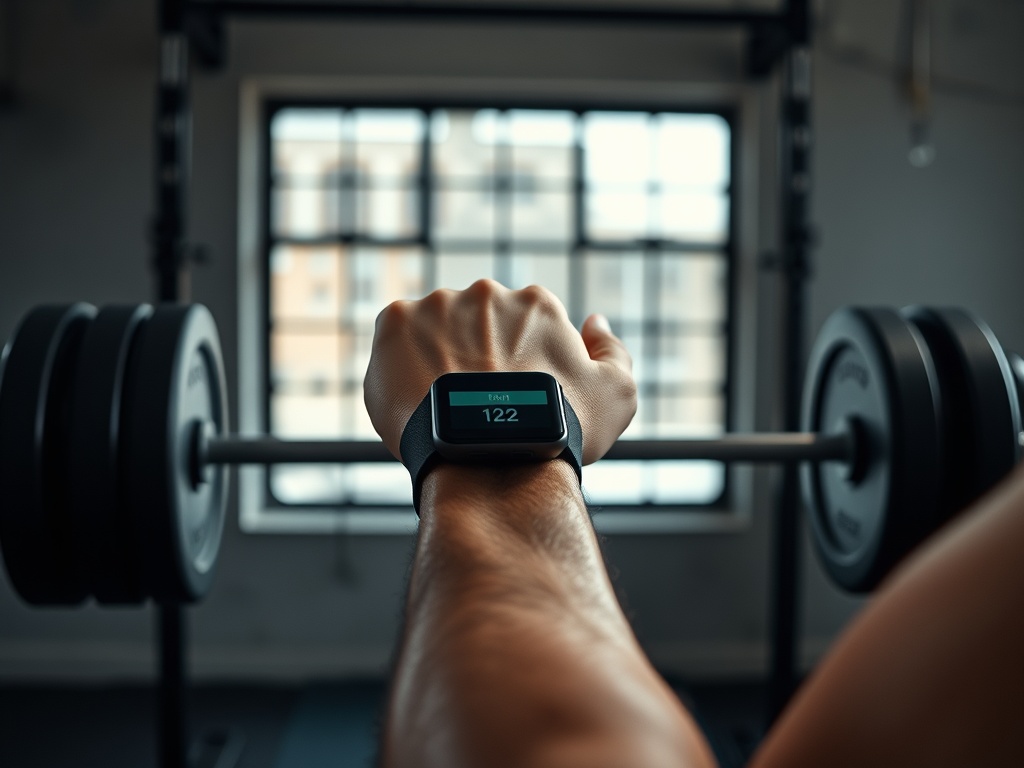
Avoid the “Green Means Go Hard” Trap
A high readiness score does not mean every workout should become harder. Programs need easier days even when you feel excellent. Constantly turning green-score days into maximal sessions can increase training load beyond what the program was designed to support.
The same problem appears in reverse. If every low score leads to a full rest day, normal biological variation can make the program inconsistent. Planned rest days are most useful when they protect the quality of the overall week, not when they are added automatically because an algorithm changed color.
Separate Training Decisions From Health Decisions
Wearables are consumer tools, not diagnostic devices unless a specific feature has received regulatory clearance for a defined medical purpose. A recovery score should not be used to diagnose overtraining, infection, heart rhythm disorders, sleep disorders, or other conditions.
If you develop chest pain, fainting, severe shortness of breath, a new persistent irregular heartbeat, or other concerning symptoms, seek medical assessment regardless of the readiness score. If a wearable repeatedly shows a major change that also matches symptoms or a clear decline in function, bring the data to a healthcare professional as context rather than as a diagnosis.
Look for Trends Linked to Behaviors You Can Change
Wearables are often most useful when they help you notice repeatable relationships. Perhaps alcohol consistently coincides with poorer sleep estimates and a higher resting heart rate. Maybe late hard sessions are followed by a lower score, or travel produces several abnormal days. These patterns can inform choices without pretending that the score proves cause and effect.
Training logs add another layer. If a low score repeatedly corresponds with higher RPE at familiar loads, that pattern may be meaningful for you. RPE and reps in reserve can provide session-level feedback that complements wearable data. If the relationship is inconsistent, the device may be less useful for that particular decision.
Common Myths About Readiness Scores
Myth: A precise number is a precise measurement
The score may display as 63 or 82, but that does not mean the underlying recovery state is known to one-percent precision. The number is an algorithmic output built from estimates and rules.
Myth: HRV always moves in the same direction as readiness
HRV is individually variable and can be affected by many factors. Higher is not automatically better in every situation, and interpretation depends on baseline and context.
Myth: Better sleep-stage data makes the score clinical
Consumer sleep tracking has improved, but sleep-stage classification still differs from laboratory polysomnography. Use sleep estimates for patterns, not for self-diagnosing a sleep disorder.
Myth: Ignoring the score means the wearable is useless
The point is not obedience. A useful device can alert you to patterns while still allowing your program, symptoms, and actual performance to guide decisions.
Let the Score Inform, Not Decide
For the next month, compare readiness scores with three notes: how you slept, how you felt before training, and how the warm-up performed. If the device consistently adds useful information, keep using it. If it creates anxiety or causes constant program changes without improving decisions, reduce how often you check it. The best recovery tool is one that improves judgment, not one that replaces it.