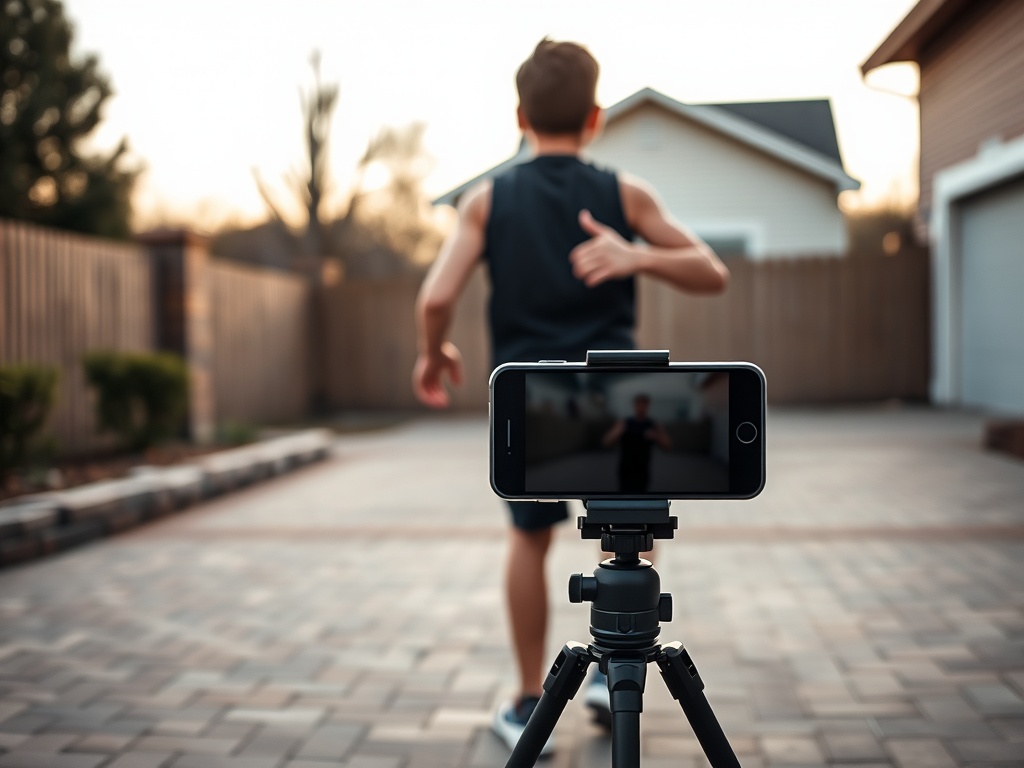
Map awareness is the habit of tracking space, teammates, opponents, timing, and likely danger before the next action is forced. In MOBAs, shooters, and field sports, it turns isolated reactions into earlier, cleaner decisions.
Quick takeaway: Better map awareness comes from a repeatable scan routine: check the main action, check support, check threats, then decide what your next safe option should be.
What Map Awareness Really Means
Map awareness is not just looking at a mini-map in a game. It is the wider skill of knowing where relevant people, lanes, zones, resources, and pressure points are. In a MOBA, that may mean tracking missing opponents, lane pressure, objectives, cooldown windows, and teammate position. In a tactical shooter, it may mean reading sound cues, sightlines, bomb sites, utility, and flank risk. In soccer, basketball, hockey, and other team sports, it means scanning before receiving the ball, knowing support angles, and anticipating pressure.
Research on esports coaching notes that players face perception, action, and decision-making challenges in fast digital environments. That matches what coaches see in traditional sports: players often fail not because they lack skill, but because they notice the right information too late. For a different environment-based skill, see why playing surfaces matter, which uses the same idea of reading conditions before acting.
The Four-Part Scan Loop
A practical scan loop has four parts. First, identify the immediate task: last hit, rotate, defend, pass, clear, press, or reset. Second, check teammate support: who can help and who is isolated? Third, check threats: missing enemies, blind spots, weak-side runners, backdoor cuts, or overloads. Fourth, choose the safest useful next action. The value is not that every decision becomes perfect. The value is that fewer decisions become panicked.
In MOBAs, train this loop during lower-pressure matches by naming three things every few seconds: lane state, objective timer, and missing threat. In shooters, name crossfire risk, last known opponent, and teammate spacing. In team sports, scan before receiving, after releasing, and during transitions. The routine must become small enough to survive fatigue.
Drills That Build the Habit
Start with a timer drill. Every five seconds, glance at the map or field shape and say one useful piece of information out loud. Then move to a trigger drill: scan every time a teammate uses utility, the ball changes side, a wave crashes, a defender turns their hips, or a scoreboard clock reaches a planned cue. Finally, review video and pause before the key mistake. Ask what information was visible before the error.
Action cameras and screen recording can support this review when used carefully. The article on sports action camera features is useful when deciding whether a recording setup will capture enough context for learning rather than just highlight clips.
Practice Progression
| Stage | Drill | What to Measure |
|---|---|---|
| Beginner | Timed scan every five seconds | Number of useful callouts |
| Developing | Trigger-based scanning after key events | Earlier rotations and fewer blind errors |
| Intermediate | Replay pauses before mistakes | What information was missed |
| Advanced | Team callout rules | Cleaner coordination under pressure |
Common Cues Coaches Can Use
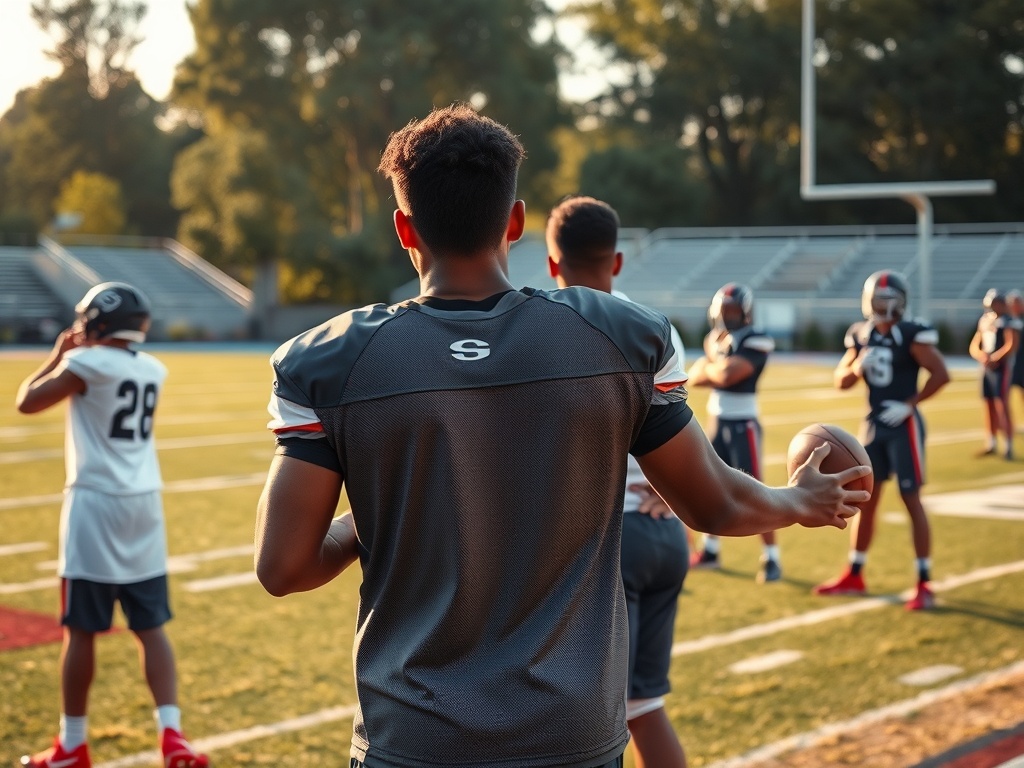
Coaches should avoid vague reminders like “be aware” or “look around.” Use sharper cues: “scan before the catch,” “check weak side,” “name the missing player,” “find the second defender,” or “confirm the escape route.” These cues connect attention to an action. They also reduce blame because players know exactly what behavior is expected.
Measurement can stay simple. Track fewer surprise deaths, fewer blind turnovers, better rotations, earlier defensive calls, and more useful communication. Subjective analysis should be labeled as analysis, not fact, because the same replay can support several tactical interpretations.
From Reaction to Anticipation
Map awareness improves when scanning becomes routine rather than emergency behavior. The goal is not to stare at every detail. The goal is to catch enough signals early enough to make the next action easier.
Choose one cue for your next practice, track it for a week, and review two clips or moments after each session. Small repeated scans beat long lectures. The next improvement is to connect awareness with recovery habits so attention stays sharp late in games; a personal recovery routine can help support that consistency.
A one-week improvement plan can be simple. Day one, define the main cue. Day two, practice it slowly. Day three, add light pressure. Day four, review clips or scrimmage moments. Day five, test it in a more realistic setting. By the end of the week, players should not only know more about the map or field; they should act earlier because the right cue appears sooner in their attention.
Teams should also separate awareness from blame. A missed rotation, late pass, or poor flank check may involve communication, spacing, fatigue, role confusion, or simple tunnel vision. Coaches and captains get better results when they ask, “What information was available?” and “What cue did we miss?” rather than only asking who made the mistake. This keeps review practical and makes players more willing to talk about what they actually saw.
Research around gaming and young people often highlights both benefits and risks, including teamwork, problem-solving, sleep, and balance. Pew Research Center’s survey on teens and video games is a useful reminder that games sit within broader habits, so awareness training should not mean endless review sessions or longer screen time without purpose. A better approach is short, structured review: one clip, one missed cue, one improved decision to test next time.
Map awareness improves fastest when it is measured in behaviors, not vague intention. In a MOBA, a player might track deaths caused by missing enemy movement. In a shooter, the measure could be how often a player checks teammate spacing before entering a room. In soccer, basketball, or hockey, it might be the number of scans before receiving the ball. The point is to choose one observable behavior and repeat it until it becomes automatic under pressure.
Turning Awareness Into a Measurable Skill
A simple review sheet can make this skill stick. After each session, write down one missed cue, one correct early read, and one moment when communication helped the group. For digital games, that may come from replay review; for field sports, it may come from coach notes or a teammate discussion. Keep the sheet short enough that players actually use it. The goal is not to catalogue every mistake. The goal is to identify the patterns that repeatedly create danger, open space, or missed support. Once a pattern appears three times, it deserves a practice drill.
This habit also improves communication. When players scan earlier, they can give shorter, calmer information to teammates because they are not reacting at the last second. Earlier information usually creates cleaner decisions.