Short trips can worsen EVAP and emissions issues because the vehicle may not reach the operating conditions needed to complete self-tests, purge fuel vapors properly, or keep moisture and deposits under control. The result can be recurring readiness problems, fuel-smell complaints, or warning lights that seem inconsistent.
TL;DR: EVAP and emissions monitors often need specific fuel level, temperature, speed, and time conditions.
- Repeated short trips may leave monitors incomplete and can make small faults harder to verify.
- A repair should address leaks, valves, wiring, fuel cap sealing, and drive-cycle confirmation rather than simply clearing codes.
What the EVAP System Is Trying to Do
The evaporative emissions system captures fuel vapors from the tank and stores them in a charcoal canister, then routes those vapors into the engine to be burned when conditions are right. It is designed to reduce fuel vapor release, not to improve power or fuel economy directly.
Short-trip driving can interrupt the sequence. The engine may not warm fully, the fuel tank may not meet monitor conditions, and the purge strategy may not run long enough for the computer to evaluate the system. That can leave the vehicle stuck in a cycle of incomplete tests or recurring small-leak codes.
The EPA vehicle emissions inspection and maintenance guidance discusses OBD monitor readiness in inspection programs, which is directly relevant when an emissions monitor will not complete after repairs or battery resets.
Why the Problem Can Feel Random
EVAP tests are conditional. The computer may wait for a certain fuel level, ambient temperature, soak time, and driving pattern. That is why a car can go days without setting a code, then turn the light on after a particular commute or fuel stop.
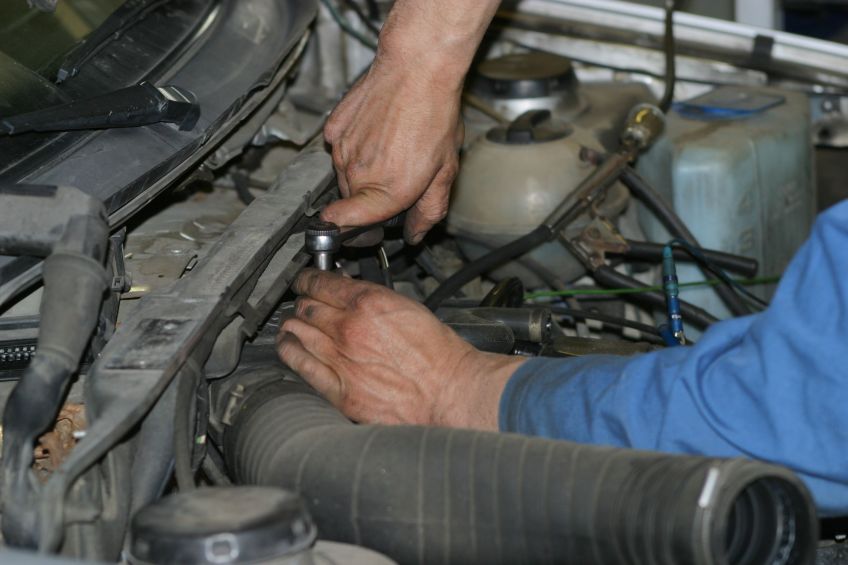
A shop should rule out a loose or damaged fuel cap where applicable, cracked hoses, purge valve leakage, vent valve faults, canister damage, wiring issues, and software-related monitor conditions. The diagnosis should not stop at clearing the light.
For drivers tempted to reset the light before inspection, Why Clearing Codes Is Not the Same as Fixing the Problem explains why that can create readiness problems instead of solving them.
| Pattern | What It May Suggest | Best Next Move |
|---|---|---|
| Mostly short cold trips | Monitor not getting conditions | Plan a proper drive cycle after repair |
| Fuel smell near vehicle | Possible vapor leak or purge issue | Inspect EVAP components |
| Code returns after fill-up | Cap, seal, or tank-area issue | Check sealing and recent fuel habits |
| Monitor stays not ready | Conditions or unresolved fault | Review scan data and service info |
Temporary Steps Versus Proper Repair
A driver can tighten the fuel cap, avoid topping off after the pump clicks, and take a longer fully warmed drive when safe. Those steps may help the system run its tests, but they will not repair a cracked hose, stuck valve, or damaged canister.
A proper repair confirms whether the EVAP system can seal, whether purge flow is controlled, and whether the monitor completes afterward. Smoke testing, bidirectional scan-tool commands, and pressure or vacuum checks may be used depending on the vehicle.
Cost Drivers and Edge Cases
Cost depends on access. A cap or hose may be simple, while a canister, tank-top component, or wiring problem can require more labor. Rust, collision damage, rodent damage, and previous repairs can also change the path.
Some vehicles have known monitor quirks or specific drive-cycle requirements. That does not mean the system can be ignored. It means the shop should verify the repair using the right procedure for that model and market.
Short trips can also contribute to intake deposit complaints, so How Carbon Cleaning Services Work on Direct Injection Engines is worth reading when emissions symptoms overlap with rough running.
Questions That Clarify EVAP and Readiness Repairs
A useful service conversation should connect the symptom to proof. For this topic, ask what the technician observed, what was tested, and what result made the next recommendation reasonable. That does not mean the driver needs to understand every technical detail. It means the explanation should be traceable: complaint, inspection, test, finding, repair option, and verification step.
For a beginner driver, the most helpful notes are simple and specific. Record when the issue happens, weather or temperature, recent repairs, fuel level or driving conditions if relevant, and whether any warning lights appeared. A short timeline often saves diagnostic time because intermittent automotive problems rarely perform on command once the vehicle reaches the bay.
It is also reasonable to ask what would happen if the repair is delayed. Some exhaust, emissions & fuel system services concerns are mostly convenience issues for a short period, while others can affect safety, emissions readiness, drivability, or future repair cost. A trustworthy answer should separate immediate risk from longer-term wear instead of using pressure as a substitute for explanation.
When estimates include diagnostic labor, parts, programming, cleaning, road testing, or reinspection, ask which items are essential and which are conditional. This helps prevent two common frustrations: approving a cheap partial repair that does not solve the complaint, or approving a broad repair plan without understanding the evidence behind it.
Drive-Cycle Notes That Matter After Service
Keep the invoice, test notes, code numbers if any, parts replaced, fluid condition comments, photos, and before-and-after observations. Good records are not only useful for warranty conversations. They also help another technician avoid repeating the same tests if the symptom returns weeks later.
After the vehicle is returned, test it under the same conditions that originally revealed the complaint, as long as doing so is safe. A repair that works only during a short parking-lot check may not be fully verified if the original problem happened on a cold start, in rain, during highway driving, while turning, or after sitting overnight.
If the issue comes back, avoid changing several variables at once. Do not clear codes, disconnect the battery, change phone settings, add fuel additives, or swap parts before documenting what happened. One clear repeat event is often more valuable than several guesses that erase clues.
A careful owner should also ask how the shop defines a successful result. Sometimes success means the warning light stays off after a monitor completes; sometimes it means draw falls after modules sleep; sometimes it means the symptom no longer appears during a matched road test. Defining that standard before repair makes the follow-up conversation clearer and more fair for everyone involved.
Finally, ask what would change the recommendation. If a test result is borderline, if a symptom cannot be reproduced, or if an inspection finds related wear, the best plan may be staged. Staged repair does not mean hesitation. It means fixing the proven issue first, then retesting before spending money on the next possible cause.
What to Watch After Service
After repair, monitor fuel smell, warning lights, and readiness status. If the code returns, note fuel level, outside temperature, and driving pattern because those details may reveal when the test runs.
Do not keep clearing codes between visits. Each reset removes evidence and restarts monitor completion, which can make a straightforward repair look unresolved.
Give the System the Conditions It Needs
The useful next step is to fix the confirmed fault, then complete a proper drive pattern. That proves the EVAP system can pass its own test instead of just hiding the light.