
Heater core replacement can be expensive because the part is often buried deep inside the dashboard, even though the heater core itself may be relatively small. Symptoms such as sweet odor, oily windshield film, coolant loss, damp carpet, and weak cabin heat should be diagnosed before approving major labor.
TL;DR: A leaking heater core can affect visibility, comfort, coolant level, and interior moisture.
- Dashboard access is the main cost driver on many vehicles.
- Confirm the leak source first because hoses, clamps, A/C drains, and windshield leaks can mimic some symptoms.
What the Heater Core Does
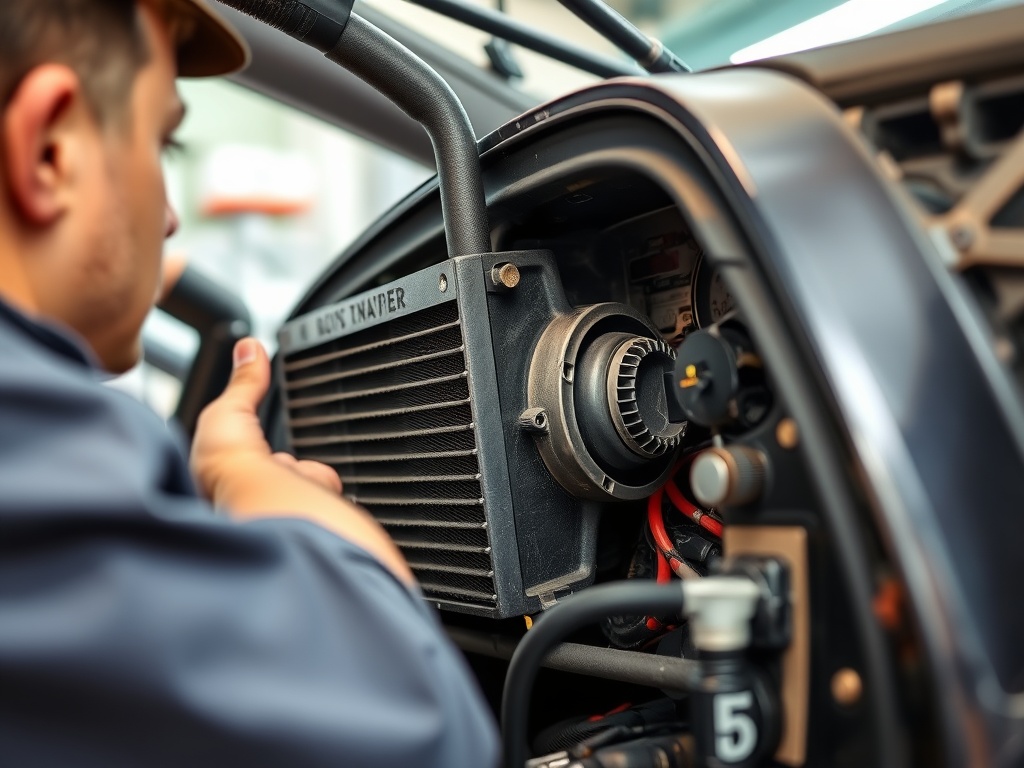
The heater core is a small heat exchanger inside the HVAC case. Hot engine coolant passes through it, and the blower moves cabin air across it to provide heat. When it leaks or clogs, the driver may notice poor heat, coolant odor, foggy glass, or damp carpet.
Because coolant is involved, the symptom should not be treated as a comfort-only issue. Low coolant can contribute to overheating, while coolant vapor or film on the windshield can reduce visibility.
Clear windshield performance is treated as a safety matter in 49 CFR Section 571.103 on windshield defrosting and defogging systems, which is why oily interior fog from coolant should be taken seriously.
Symptoms That Point Toward the Heater Core
Common clues include a sweet smell inside the cabin, greasy film on the windshield, unexplained coolant loss, damp passenger-side carpet, and heat that works inconsistently. A clogged core may cause weak heat without an obvious leak, while air trapped in the cooling system can create similar complaints.
Diagnosis should confirm coolant level, pressure-test the cooling system where appropriate, inspect heater hoses, check for water intrusion, and distinguish coolant from plain rainwater or A/C condensate. Guessing from smell alone can lead to an expensive wrong repair.
Because windshield fog can have several causes, Why Your Car's Bluetooth Keeps Disconnecting is a useful companion when moisture or glass film is the first complaint.
| Clue | Possible Meaning | Urgency |
|---|---|---|
| Sweet odor and oily glass | Coolant vapor from leak | High |
| Wet carpet after rain | Body or windshield leak possible | Moderate to high |
| No cabin heat | Clog, air pocket, blend door, or core issue | Depends on overheating risk |
| Coolant level dropping | External or internal leak | High |
Why Labor Can Be High
On many vehicles, the heater core sits inside the HVAC box behind the dashboard. Reaching it can require removing trim, consoles, steering-column components, airbags handled by proper procedure, and the HVAC case. Labor time can dwarf the cost of the core.
Some vehicles allow easier access, but others require careful disassembly and reassembly to prevent rattles, air leaks, electrical issues, or improper HVAC operation. That is why quotes vary widely by model.
Temporary Measures and Real Fixes
A stop-leak product may sound tempting, but it can create risks in small cooling passages and does not replace a failed core. Bypassing the heater core can stop a leak temporarily on some vehicles, but it removes cabin heat and defogging performance, which may be unsafe in cold or wet weather.
Proper repair means replacing or repairing the failed component, flushing contamination if needed, refilling the cooling system correctly, bleeding air, and confirming heat output and leak-free operation.
Low voltage or module resets can complicate diagnosis after major dash work, so Parasitic Battery Drain Diagnosis for Cars That Die Overnight may help if electrical symptoms appear before or after service.
Questions to Ask Before Dashboard Labor Begins
A useful service conversation should connect the symptom to proof. For this topic, ask what the technician observed, what was tested, and what result made the next recommendation reasonable. That does not mean the driver needs to understand every technical detail. It means the explanation should be traceable: complaint, inspection, test, finding, repair option, and verification step.
For a problem-aware driver, the most helpful notes are simple and specific. Record when the issue happens, weather or temperature, recent repairs, fuel level or driving conditions if relevant, and whether any warning lights appeared. A short timeline often saves diagnostic time because intermittent automotive problems rarely perform on command once the vehicle reaches the bay.
It is also reasonable to ask what would happen if the repair is delayed. Some heating, cooling & a/c services concerns are mostly convenience issues for a short period, while others can affect safety, emissions readiness, drivability, or future repair cost. A trustworthy answer should separate immediate risk from longer-term wear instead of using pressure as a substitute for explanation.
When estimates include diagnostic labor, parts, programming, cleaning, road testing, or reinspection, ask which items are essential and which are conditional. This helps prevent two common frustrations: approving a cheap partial repair that does not solve the complaint, or approving a broad repair plan without understanding the evidence behind it.
Cooling and Cabin Records to Save
Keep the invoice, test notes, code numbers if any, parts replaced, fluid condition comments, photos, and before-and-after observations. Good records are not only useful for warranty conversations. They also help another technician avoid repeating the same tests if the symptom returns weeks later.
After the vehicle is returned, test it under the same conditions that originally revealed the complaint, as long as doing so is safe. A repair that works only during a short parking-lot check may not be fully verified if the original problem happened on a cold start, in rain, during highway driving, while turning, or after sitting overnight.
If the issue comes back, avoid changing several variables at once. Do not clear codes, disconnect the battery, change phone settings, add fuel additives, or swap parts before documenting what happened. One clear repeat event is often more valuable than several guesses that erase clues.
A careful owner should also ask how the shop defines a successful result. Sometimes success means the warning light stays off after a monitor completes; sometimes it means draw falls after modules sleep; sometimes it means the symptom no longer appears during a matched road test. Defining that standard before repair makes the follow-up conversation clearer and more fair for everyone involved.
Finally, ask what would change the recommendation. If a test result is borderline, if a symptom cannot be reproduced, or if an inspection finds related wear, the best plan may be staged. Staged repair does not mean hesitation. It means fixing the proven issue first, then retesting before spending money on the next possible cause.
What to Ask Before Authorizing the Job
Ask how the leak was confirmed, whether hoses or nearby fittings were inspected, whether the evaporator drain or windshield leak was ruled out, and what parts are included. Also ask whether the cooling system will be pressure-tested after repair.
After service, monitor coolant level, cabin smell, heat output, and windshield film. A properly repaired system should not leave a recurring sweet odor or damp carpet.
Confirm the Leak Before Paying for Dashboard Labor
The best next step is evidence. Before approving heater core replacement, make sure the shop has proven the source and explained why the labor path is necessary for your vehicle.