A windshield that keeps fogging usually points to a moisture, airflow, temperature, or cabin filtration problem. The right service is not simply wiping the glass; it is finding why humid air is staying inside the cabin or why the defog system cannot clear it fast enough.
TL;DR: Start with simple causes such as wet floor mats, dirty interior glass, blocked vents, and a clogged cabin air filter.
- Persistent sweet-smelling fog, oily film, low coolant, or damp carpet can point to a leak that needs prompt inspection.
- A proper repair verifies airflow, HVAC door operation, A/C dehumidification, coolant leaks, and windshield seal integrity.
Why Interior Glass Fogs in the First Place
Fog forms when warm, humid cabin air touches cooler glass and condenses into tiny droplets. That part is basic physics, but the reason it keeps happening varies. A driver may be dealing with rainwater tracked into the cabin, a blocked cowl drain, a cabin air filter that restricts airflow, a weak blower motor, or an HVAC setting that keeps recirculating damp cabin air.
Federal safety rules treat defogging as more than a comfort feature. 49 CFR Section 571.103 on windshield defrosting and defogging systems describes performance requirements for windshield defrosting and defogging systems, which is a useful reminder that clear glass is a safety issue, not just an annoyance.
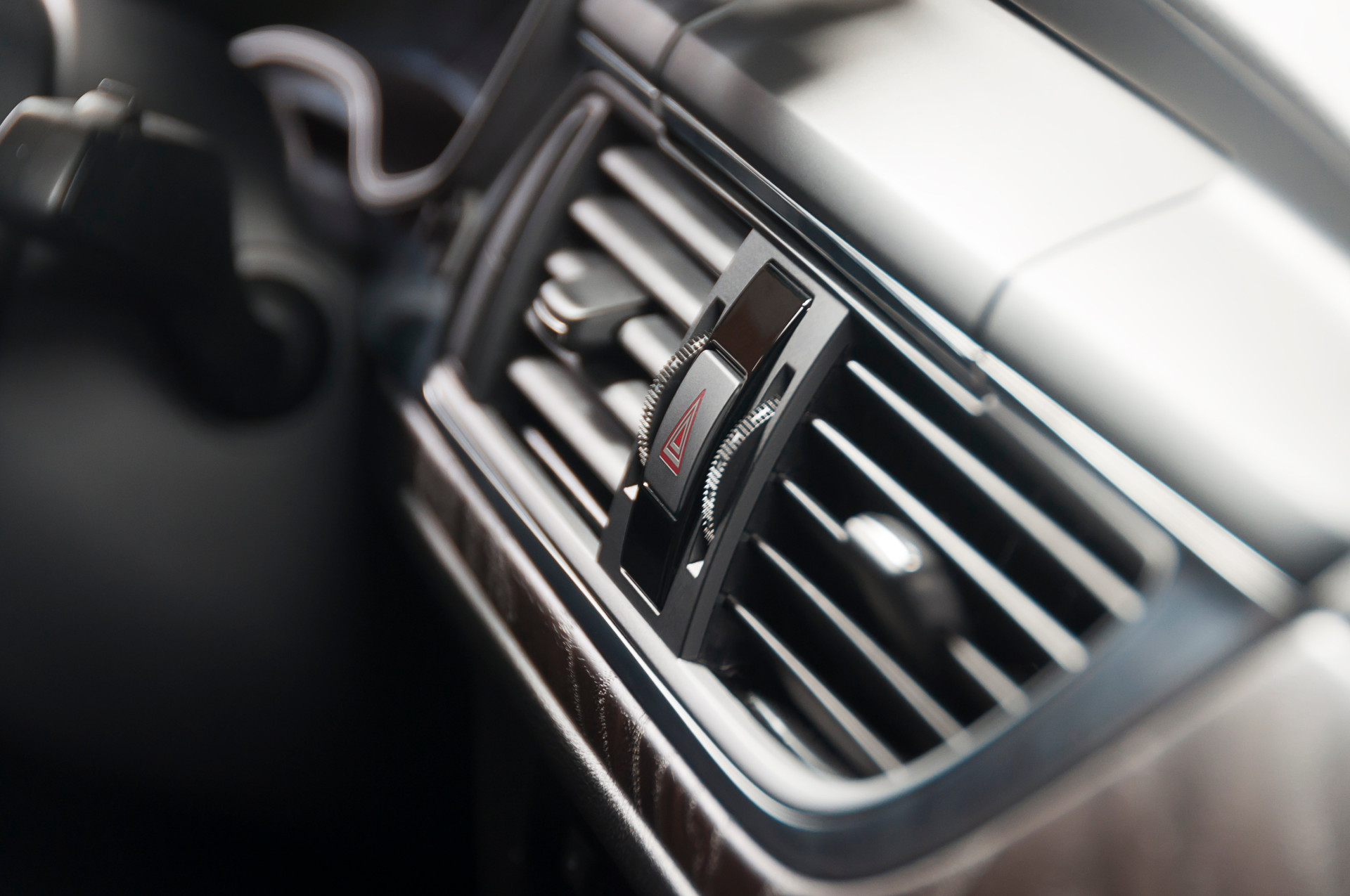
The easiest temporary step is to use fresh-air mode, run the A/C with heat when the system allows it, and keep the windshield clean. The A/C removes moisture from the air before warm air reaches the glass. On many vehicles, selecting defrost automatically engages the compressor, but this varies by model and outside temperature.
What a Shop Should Check Before Recommending Repairs
A careful inspection starts inside the cabin. The technician should look for damp carpet, wet insulation under floor mats, musty odors, water trails near the A-pillars, and a greasy film on the inside of the windshield. They should also confirm that the blower changes speed, the air actually exits the defrost vents, and the fresh-air door is not stuck in the wrong position.
If symptoms overlap with warning lights or sensor issues, it helps to understand Why Clearing Codes Is Not the Same as Fixing the Problem because a stored code can be one clue in a larger diagnostic path, not the whole answer.
| Symptom | Likely Direction | Why It Matters |
|---|---|---|
| Fog clears quickly with A/C on | Normal moisture load or dirty glass | Cleaning glass and changing settings may solve it. |
| Fog returns with sweet smell or oily film | Possible heater core leak | Coolant vapor can coat glass and should be inspected. |
| Fog appears after rain or car wash | Water intrusion or drain issue | The source must be sealed, not just dried. |
| Little air from defrost vents | HVAC door, blower, or filter restriction | Airflow must be restored before defogging improves. |
Temporary Fixes Versus Real Repair
Anti-fog wipes, a microfiber towel, and correct HVAC settings can help in the moment, but they do not repair a water leak, heater core seepage, or airflow fault. A good service plan separates what helps you drive safely today from what prevents the same problem next week.
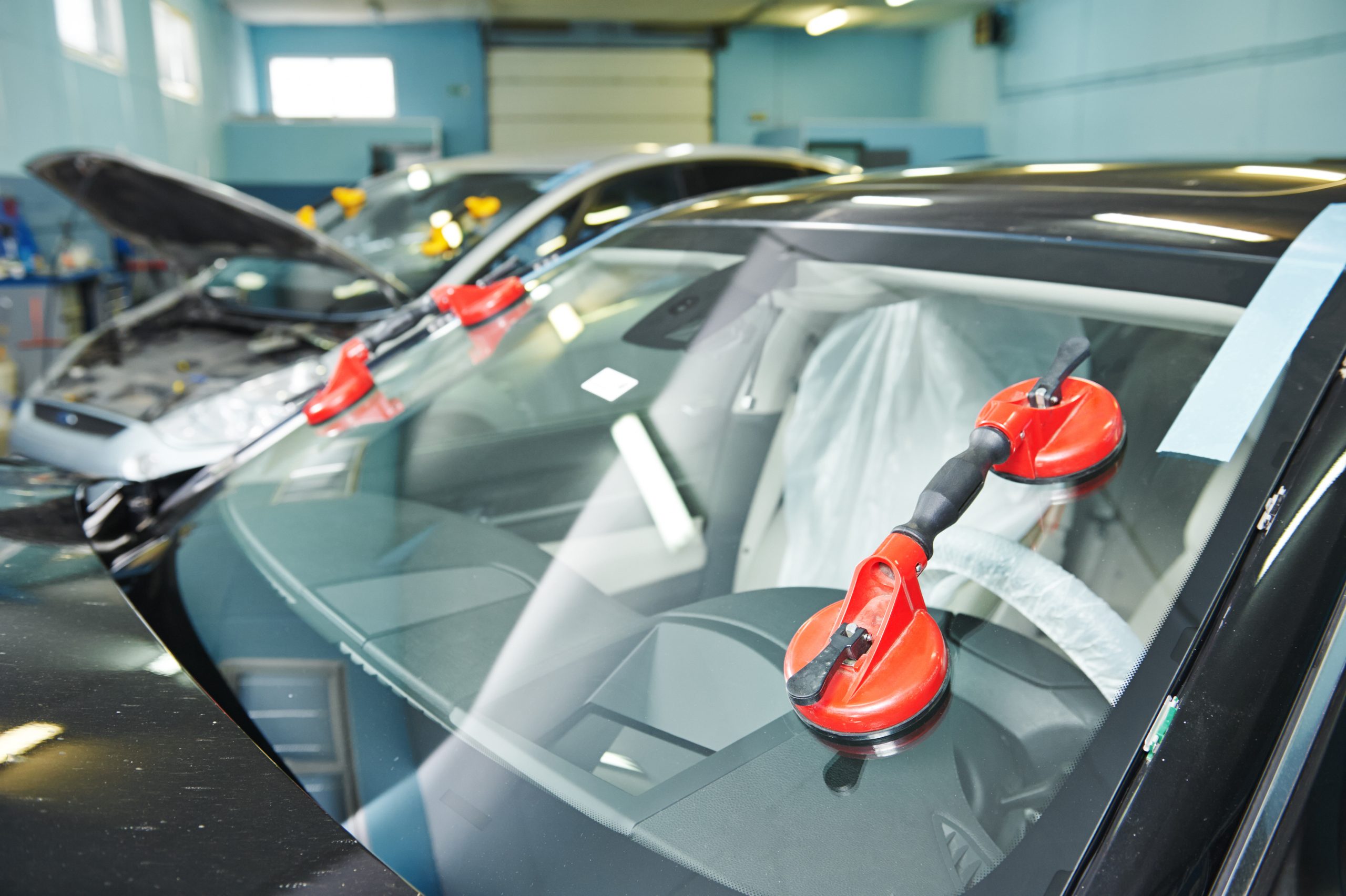
Proper fixes may include replacing a saturated cabin filter, clearing cowl drains, resealing a windshield or sunroof leak, repairing a failed blend or mode door, restoring blower performance, or diagnosing an A/C system that no longer removes moisture. None of these should be guessed from fog alone. The visible symptom is shared by several systems.
Moisture can also affect electronics, so related symptoms such as intermittent pairing issues may make Why Your Car’s Bluetooth Keeps Disconnecting useful background when the cabin has been damp for a while.
Cost Drivers and What to Watch After Service
Cost depends on access and root cause. A cabin filter is usually a low-complexity service, while heater core replacement can involve major dashboard disassembly on some vehicles. Windshield or sunroof leak work can also vary because the shop may need time to water-test the vehicle, remove trim, and confirm the repair before returning it.
After service, monitor the first rainy week and the first cold morning. The windshield should clear more predictably, the cabin should smell dry, and the floor should remain free of dampness. If fog comes back with coolant odor, visible steam, or falling coolant level, treat that as a stronger warning sign.
Questions That Make Windshield Service Easier to Approve
Ask the shop what evidence separates normal condensation from a leak, heater core concern, or airflow fault. A clear answer should include what was inspected, how the HVAC system performed, whether the carpet or insulation was damp, and whether any coolant odor or film was found on the glass.
For a beginner, the most useful notes are simple: when the fog appears, whether fresh-air mode helps, whether the A/C changes the result, and whether the cabin smells musty or sweet. These details help a technician recreate the condition instead of guessing from a wiped windshield.
Ask what would happen if the repair is delayed. Dirty glass or a clogged cabin filter is usually different from coolant vapor, hidden water intrusion, or an HVAC door that cannot direct air to the windshield. A trustworthy recommendation should separate visibility risk from comfort issues.
If the estimate includes leak testing, trim removal, filter replacement, HVAC diagnosis, or cooling-system pressure testing, ask which step proves the root cause. This keeps the repair focused on the moisture source and not just the symptom you can see on the glass.
Records to Keep After a Fogging Repair
Save photos of wet areas, notes about weather, the repair order, and any parts replaced. If fogging returns, those details help the next inspection distinguish a repeat leak from a new moisture source. They also help show whether the first repair was verified with a water test or HVAC performance check.
After service, test the vehicle during a cold morning or rainy drive, as long as visibility remains safe. Use the same HVAC settings that previously failed. A proper repair should make the windshield clear faster and stay clear longer, not merely improve for a few minutes after cleaning.
If fog returns with sweet odor, oily residue, low coolant, or damp carpet, do not keep masking it with anti-fog products. Those clues deserve follow-up because they can point to problems that affect visibility, interior condition, or engine cooling health.
It also helps to ask how the shop defines a successful result. For a fogging complaint, success should be more specific than a clean windshield at pickup. The repair should restore airflow, remove or control the moisture source, and make the glass clear under the same cold or wet conditions that originally caused trouble.
Ask what would change the recommendation if the first repair does not fully solve the issue. A staged plan can make sense when there are several possible moisture sources. Fix the proven fault first, retest during the right conditions, then decide whether deeper water-leak or HVAC work is still justified.
Clearer Glass Starts With Finding the Moisture Source
For a beginner, the best next step is simple: document when the fog appears, which HVAC setting helps, and whether there are smells or wet spots. That information helps a shop rule out the quick fixes first and focus on the repair that actually restores reliable visibility.