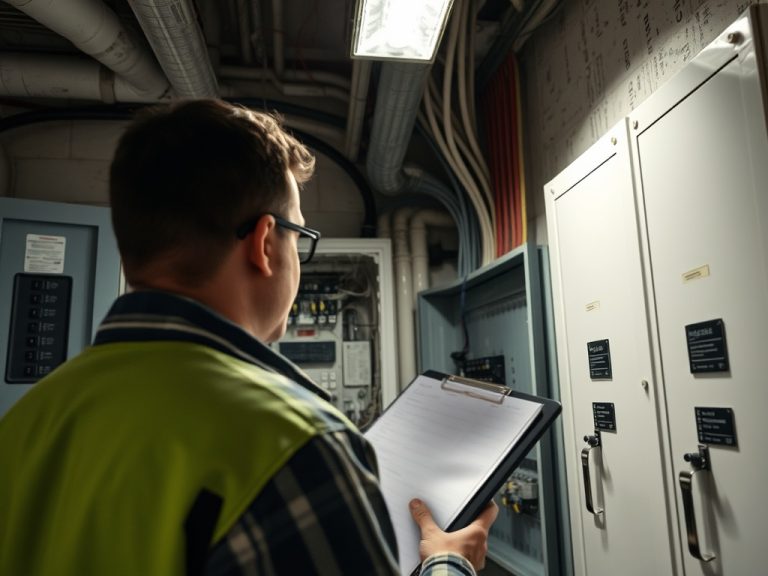
Generators and temporary power systems keep construction work moving when permanent service is unavailable, limited, or interrupted. Safe planning starts with load needs, GFCI protection, grounding requirements, cord management, ventilation, fuel handling, and qualified installation review.
Key Takeaways:
- Temporary power planning starts with the loads that must be served, not with the generator sitting in the yard.
- Construction receptacles, cords, lighting, and temporary wiring need inspection and protection suitable for jobsite conditions.
- Generator safety includes ventilation, fuel handling, grounding review, cord routing, and qualified electrical oversight.
Start with the load list
A temporary power plan should identify tools, lighting, trailers, pumps, heaters, chargers, lifts, welders, and specialty equipment that may operate at the same time. The goal is to size the system around realistic demand and starting loads, not wishful thinking.
This topic also connects with How electrical load studies inform renovations and equipment upgrades where the same planning logic applies to another part of construction and maintenance work.
For contractors, this prevents nuisance trips, overloaded cords, unsafe improvisation, and work delays. It also helps decide whether the project needs portable generators, temporary utility service, distribution panels, spider boxes, or a combination.
Safety rules that shape the setup
Temporary does not mean casual. OSHA requires approved ground-fault circuit interrupter protection for certain 120-volt, single-phase, 15- and 20-ampere receptacles on construction sites. Cords, receptacles, lighting, and temporary wiring should be selected and inspected for jobsite exposure.
The Electrical Safety Foundation emphasizes that temporary power creates real risk around construction sites. Contractors should treat setup, inspection, and removal as controlled work, not an afterthought assigned to whoever is nearby.
Generator placement and operation
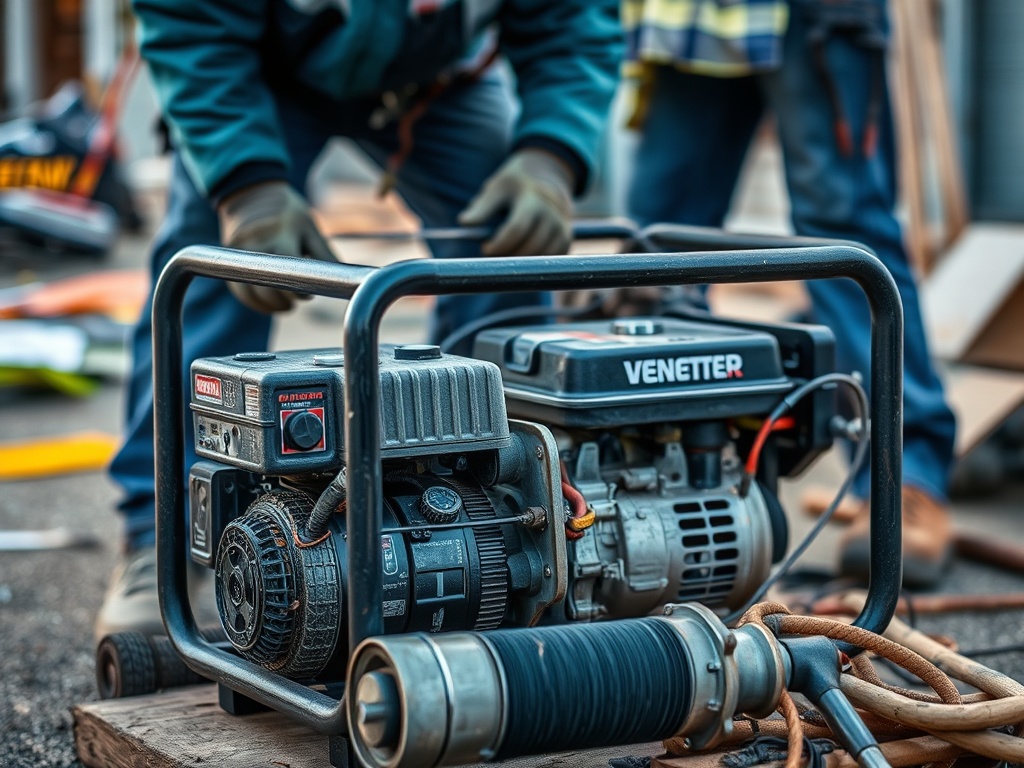
Generators need outdoor placement with safe exhaust clearance, stable footing, weather protection that does not block ventilation, and separation from combustible materials. Fuel storage and refueling should follow manufacturer instructions and site safety rules. Backfeeding, makeshift adapters, and damaged cords are unacceptable hazards.
Before finalizing site procedures, teams should compare their plan with OSHA construction GFCI requirements and any stricter local or project-specific requirements.
Grounding requirements can vary based on generator design and how the system is connected. A qualified electrical professional should determine the correct method for the specific setup instead of relying on a generic rule of thumb.
Managing cords, lighting, and distribution
Cord routing should avoid pinch points, water, sharp edges, vehicle traffic, and tripping hazards. Cords should be rated for the load and environment, inspected regularly, and removed if damaged. Temporary lighting should be protected from impact and placed so it reduces shadows without blinding workers.
As the site changes, the temporary power plan should change too. A safe setup for framing may not be adequate for finish work, drying equipment, night work, or commissioning.
Jobsite habits that keep temporary power controlled
Temporary power should be inspected as conditions change. Rain, mud, demolition debris, vehicle movement, and relocation of trades can damage cords, shift distribution points, or create new trip hazards that were not present during setup.
Risk planning should also connect back to How to create site-specific emergency response procedures so maintenance teams are not treating system upgrades and emergency response as separate conversations.
Load management is a daily concern. Tools, heaters, pumps, chargers, lighting, and trailers may not all run at the same time during early phases, but later work can increase demand quickly. Supervisors should know when the plan needs reassessment.
Generator placement should be controlled, not improvised. Exhaust, fuel, weather protection, access, noise, theft risk, and proximity to openings all affect safe operation. A generator that is convenient for one crew may create hazards for another.
Cords and temporary lighting deserve routine removal from service when damaged. Taping over defects or using undersized cords can create shock, fire, and reliability risks that are out of proportion to the time saved.
For a safety-focused review, Electrical Safety Foundation temporary power safety can help contractors think through temporary-power risks before equipment is energized.
The safest temporary power setups have clear ownership. Someone qualified should be responsible for setup review, inspection routines, changes, and shutdown so the system does not become a collection of field improvisations.
A contractor's guide to generators and temporary power decision matrix
| Planning item | What to check | Why it matters |
|---|---|---|
| Load list | Tools and equipment used at the same time | Prevents undersizing and overloads |
| GFCI protection | Required receptacle protection and inspection | Reduces shock risk |
| Generator location | Ventilation, exhaust, fuel, and weather protection | Controls carbon monoxide and fire hazards |
| Cord routing | Rating, damage, water, and trip hazards | Prevents field accidents and downtime |
Temporary power QA review
A temporary power plan should be reviewed whenever the site adds equipment, changes shifts, starts drying or heating work, or moves into a new phase. The setup that worked early in construction may not be safe or adequate later.
Daily inspection should look at cords, plugs, lighting, generators, fuel areas, weather exposure, and trip hazards. Small defects should be corrected before workers begin relying on damaged equipment.
The plan should name who is responsible for changes. Temporary systems become risky when every trade adds load without one qualified person reviewing the whole arrangement.
When exterior assemblies are part of the scope, Choosing weather-resistant fasteners and anchors for exterior work is a useful companion topic for matching materials to exposure conditions.
Temporary power records follow-through
At the end of the project, supervisors should note which temporary power choices were reliable and which caused delays, nuisance trips, or safety concerns. That feedback improves the next setup. It can also guide rental quantities, cord routing, lighting placement, fuel planning, and the point at which a qualified electrical review should be scheduled. This turns temporary power from a recurring field scramble into a planned jobsite system.
Temporary power records should include setup notes, inspection logs, equipment ratings, changes, and removal dates. This gives supervisors a trail of decisions if a problem, near miss, or outage occurs.
Those records also help estimate future projects. When teams know what loads, generator sizes, cords, and distribution arrangements worked before, they can plan more accurately and avoid repeating unsafe improvisations. They also support better rental planning and safer change management when jobsite demand increases.
Temporary power planning checklist
- List expected loads and simultaneous use before sizing equipment.
- Use qualified review for temporary wiring and grounding questions.
- Inspect cords, plugs, lights, and GFCI protection routinely.
- Place generators outdoors with safe exhaust and fuel practices.
- Revise the setup as the project phase changes.
Professional-use note for temporary power generators construction
This construction and maintenance content is for informational and educational purposes only. It does not constitute professional engineering, legal, code-compliance, safety, insurance, or project management advice. Requirements vary by jurisdiction, site conditions, contract terms, and authority having jurisdiction, so qualified professionals should review project-specific decisions.
Temporary power next step
Use this topic as an early planning conversation, not a last-minute fix. The safest next step is to document the conditions, confirm local requirements, and bring the right professional into the decision before work proceeds.