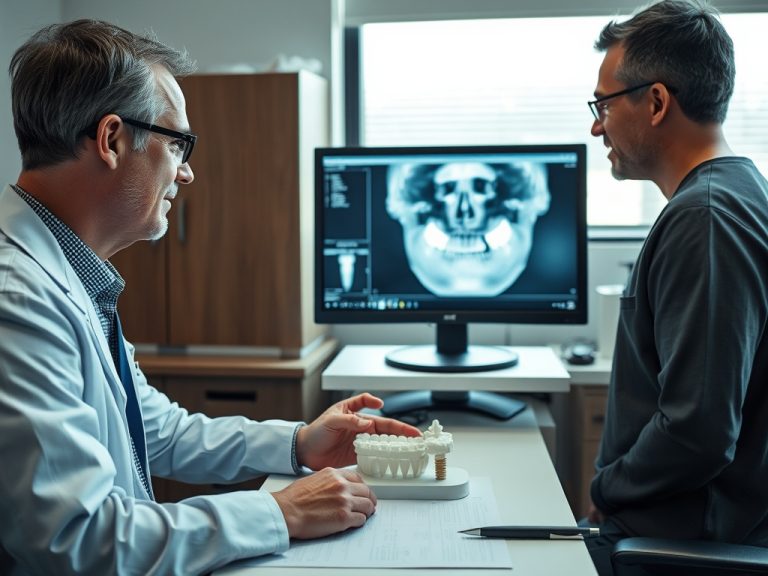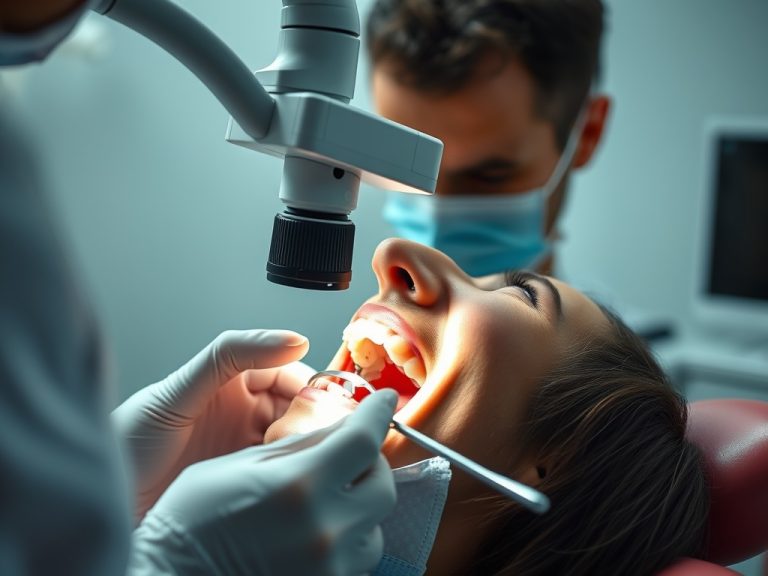
Special care dentistry is dental care adapted to the patient, not the other way around. For adults with physical, sensory, developmental, cognitive, behavioral, or complex medical challenges, the difference often lies in communication, appointment structure, equipment, caregiver support, and referral planning rather than in a completely different set of dental goals.
TL;DR
- Special care dentistry focuses on access, comfort, communication, and realistic treatment delivery for patients with additional support needs.
- Helpful adaptations can include longer visits, sensory modifications, wheelchair transfer planning, caregiver coaching, sedation review, or treatment in a different clinical setting.
- Routine preventive care often becomes even more important when daily brushing, diet, medication effects, or transportation barriers make emergencies more likely.
- A referral does not mean the case is impossible. It often means the team wants the safest, most workable setting.
Who this type of dentistry helps
Special care dentistry may help adults with intellectual or developmental disabilities, dementia, Parkinsonian conditions, autism, seizure disorders, major anxiety, significant mobility limitations, or medical complexity that changes how treatment should be delivered. The NIDCR resource on developmental disabilities and oral health emphasizes that access often depends on matching oral care strategies to the person’s needs and support system.
Some adults need only small adjustments, such as more explanation, a quieter operatory, or a caregiver in the room. Others need a stepwise treatment plan, specialized equipment, sedation review, or referral to a clinic with stronger medical backup.
How candidacy and planning are screened
Screening usually starts with function rather than diagnosis alone. Can the patient tolerate an exam? Can they recline? Is there a communication method that works reliably? Are there swallowing concerns, movement disorders, behavioral triggers, or medication-related dry mouth issues? Those details shape whether the next step is routine care, staged desensitization, or specialist referral.
The practical barriers matter too. Transportation, consent logistics, caregiver schedules, ability to perform home care, and feeding patterns can all change what a good dental plan looks like. In some cases, what seems like “poor compliance” is really a planning mismatch.
When it stays routine and when it changes the treatment path
Plenty of care stays routine. Cleanings, exams, fluoride, protective restorations, and straightforward maintenance can often be done in a general office with reasonable accommodations. The treatment path changes when the office cannot provide the monitoring, sedation, transfer support, or behavioral pacing the patient needs safely.
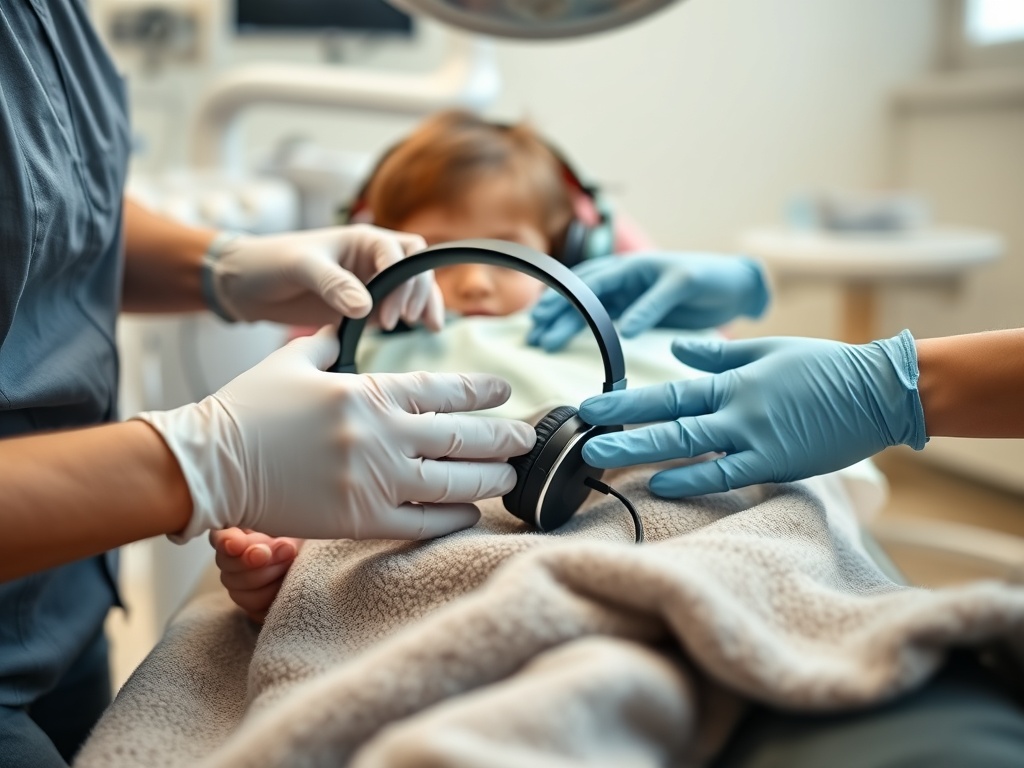
That is where coordinated planning becomes important. A treatment coordinator, caregiver, primary dentist, and specialist may all have a role. sequencing complex dental care is often easier to appreciate once you see how many moving parts a special care plan can involve.
When to book routinely and when to move more urgently
Routine visits are especially important when medications cause dry mouth, when brushing help is inconsistent, or when the person has trouble expressing pain clearly. Small problems can become major because symptoms are underreported or masked by communication barriers.
Move faster if there is facial swelling, refusal to eat, sleep disruption, sudden behavior change that might signal pain, broken teeth after falls, or signs that caregivers cannot safely manage oral intake or home hygiene until the mouth is evaluated. For same-day logistics, knowing where urgent problems belong still applies, but the access plan may need extra coordination.
What helps a first appointment go better
Bring medication lists, medical contacts if relevant, sensory or behavioral triggers, calming strategies that already work, and realistic goals for what the visit needs to accomplish. Some first visits are most successful when the goal is simply to gather information and build familiarity rather than finish everything at once.
Quick questions about Special Care Dentistry for Adults With Physical or Cognitive Disabilities
Does a referral automatically mean the case is severe? No. A referral often means the office wants a setting or specialist better matched to the tissue, behavior, medical, or restorative demands of the case.
What usually makes someone a candidate? Candidacy is usually about whether the treatment addresses a real problem and whether the mouth and patient circumstances can support it safely and predictably.
What detail changes the treatment path most often? The detail that changes the path most often is not a single symptom but the context around it: gum health, medical history, bite forces, mobility, or support needs.
Before the visit, note these details about Special Care Dentistry for Adults With Physical or Cognitive Disabilities
Practical details often change dental plans as much as clinical details do. Bringing those realities into the conversation early usually leads to recommendations you can actually carry out.
- Which part of the problem is hardest right now: cost, timing, cleaning, comfort, access, or understanding the recommendation.
- What part of your current routine already works so the next plan can build on it instead of restarting everything.
- Any barriers at home, work, school, transportation, or caregiving that could affect follow-through.
- One sentence describing what success would look like to you after the next appointment.
Good care is often about the setup
If routine dental visits have felt impossible, the next step is often not “try harder.” It is finding a team willing to adapt communication, timing, and environment so the care becomes doable and safe.