A cracked tooth is treated based on where the crack is, what symptoms it is causing, and whether the pulp and supporting tissues are involved. Early evaluation matters because the same tooth can move from simple protection to root canal treatment or extraction if the crack deepens or stays under heavy biting stress.
TL;DR
- Pain on biting, sharp release pain, cold sensitivity, and a feeling that “something is not right” can all point toward a crack.
- Temporary steps may reduce irritation, but they do not tell you how deep the crack goes.
- Dentists often use history, magnification, bite testing, probing, and X-rays together because no single test tells the whole story.
- Swelling, lingering pain, or a piece that has broken off can make the problem more urgent.
What symptoms usually point toward a crack
Cracked teeth can be tricky because symptoms often come and go. A tooth may hurt only when chewing something firm, only with temperature changes, or only on release after biting. The AAE’s patient page on cracked teeth notes that pain patterns can vary, which is one reason dentists do not rely on a single quick look.
Causes are just as varied. Large fillings, clenching, grinding, ice chewing, trauma, and age-related wear can all contribute. Some cracks stay limited to enamel and need monitoring or protective reshaping. Others extend into dentin or involve the pulp, which changes treatment significantly.
How dentists sort temporary relief from definitive treatment
Definitive care depends on whether the tooth can still be predictably sealed and protected. A dentist may smooth a sharp area, place a bonded restoration, recommend a crown, or stabilize the bite temporarily while monitoring symptoms. If the pulp becomes inflamed beyond recovery, root canal treatment may be needed before the tooth is restored.
Temporary self-care has limits. Softer chewing, avoiding the affected side, and skipping very hard foods may reduce flare-ups for a few days, but they do not repair a structural defect. If the crack is the result of long-term clenching or wear, the treatment plan may also include a night guard or bite adjustment. In that sense, restorative decisions can overlap with issues discussed in where urgent dental problems belong even though the starting complaint sounds different.
What the exam is trying to answer
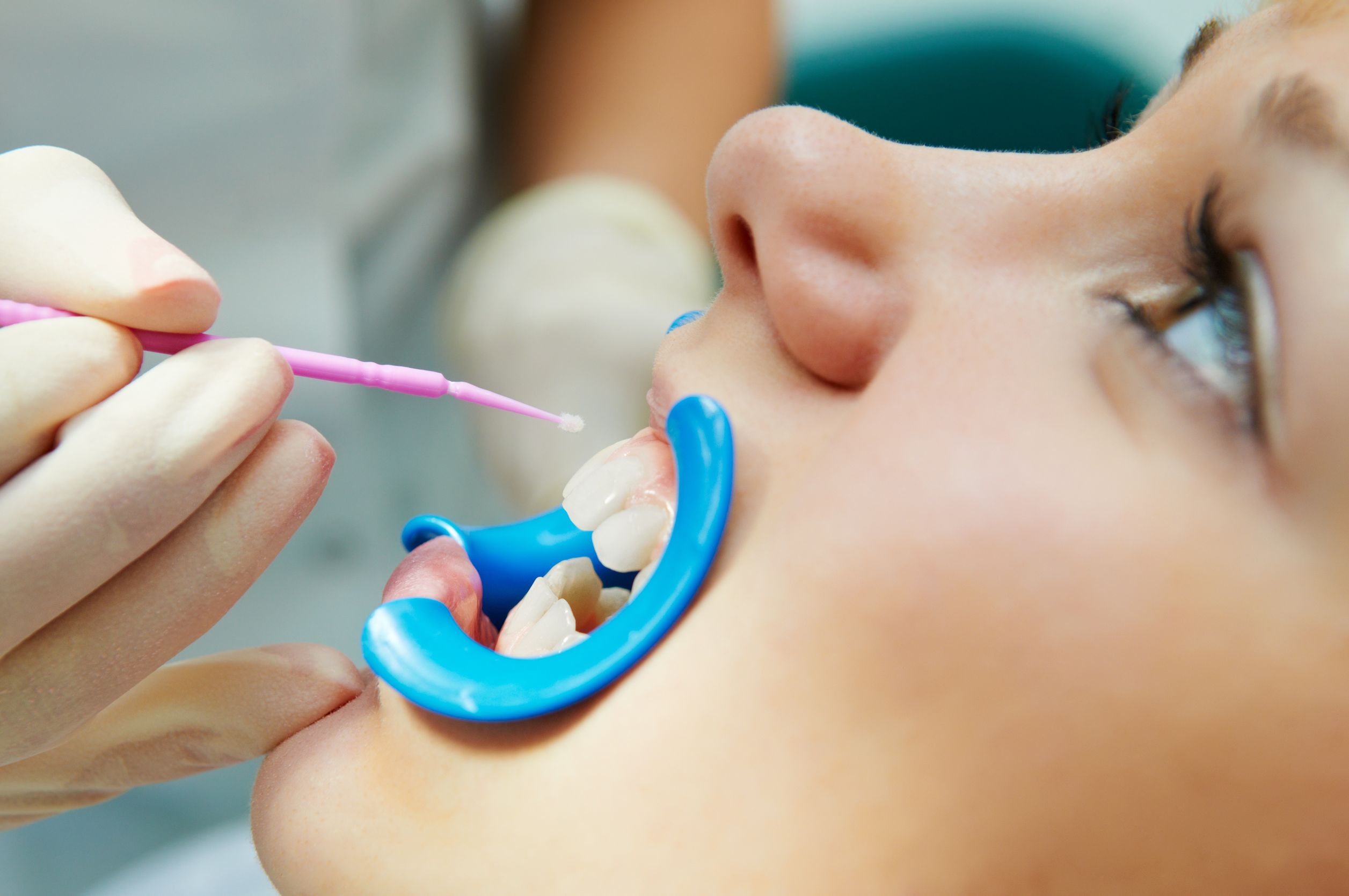
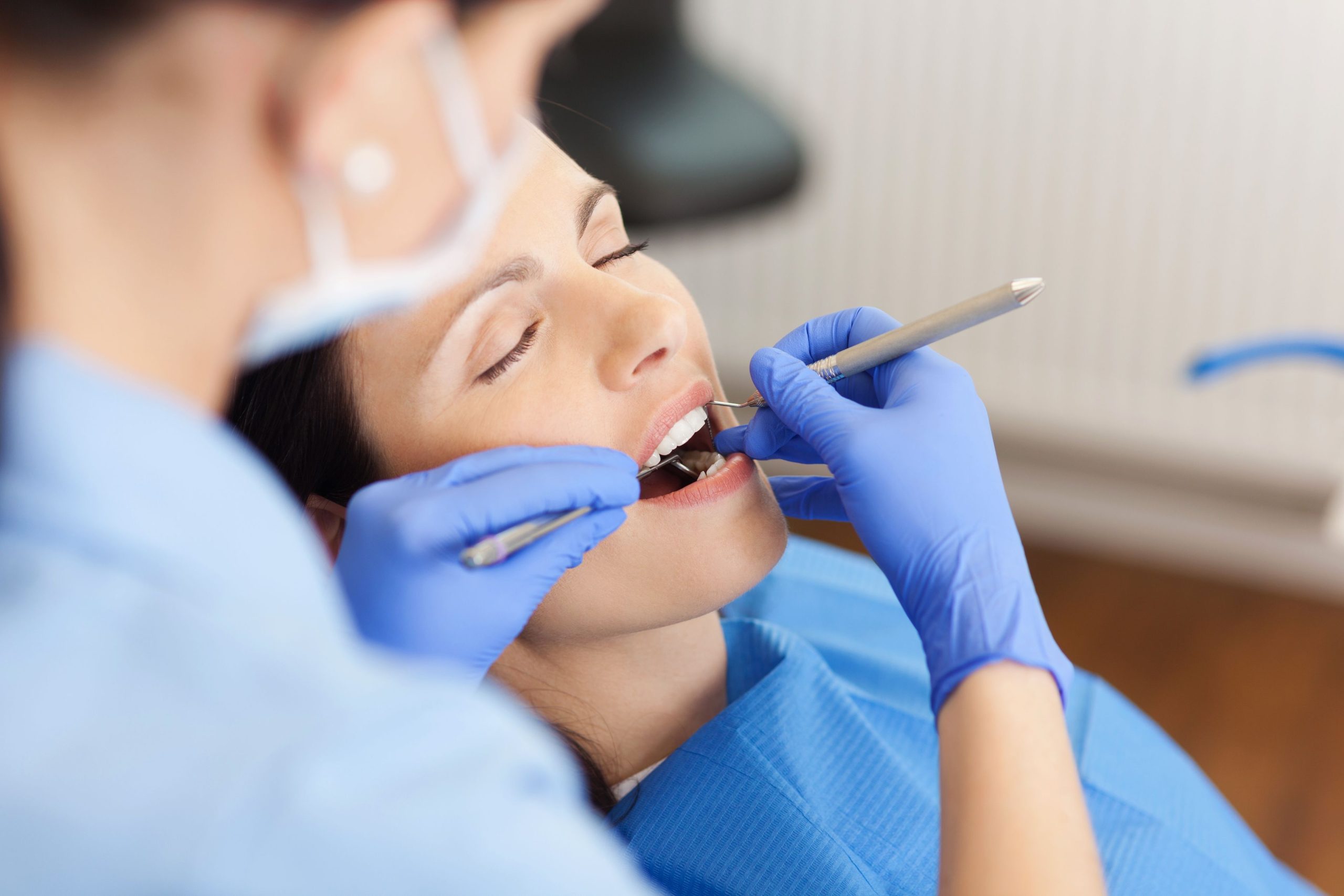
During the exam, dentists often want to know whether the crack is confined enough to restore, whether it has extended below the gumline, and whether the nerve is still healthy. They may use magnification, transillumination, selective bite tests, periodontal probing, and radiographs. X-rays do not always show a crack directly, but they help rule out other causes and look for bone or pulp changes around the tooth.
| What the dentist is checking | Why it matters |
|---|---|
| Pain pattern and trigger | Helps distinguish cracks from other tooth pain |
| Pulp response | Affects whether the tooth can be restored alone or needs endodontic care |
| Probing depth around the crack | Deep isolated pockets can raise concern about crack extension |
| Remaining tooth structure | Determines how protectable the tooth still is |

When the situation becomes urgent
Move more quickly if a tooth suddenly becomes extremely painful, develops swelling, breaks further, or feels high and impossible to bite on. Lingering spontaneous pain or pressure around the root may mean the pulp or surrounding tissues are involved. That is different from mild intermittent sensitivity that settles quickly.
If the crack followed a sports injury, fall, or blow to the mouth, the picture gets broader because trauma can injure the pulp even when the crown damage looks modest. Delayed nerve damage after trauma explains why symptoms can change over time after the initial event.
What tends to protect the tooth long term
Long-term success usually comes from reducing flex on the cracked area. That may mean a well-fitted crown, a more conservative bonded approach in a limited crack, or in some cases accepting that the tooth is not predictably restorable. The earlier the decision is made, the more options there usually are.
Quick questions about How Dentists Treat a Cracked Tooth Before It Gets Worse
Could this calm down for a while and still need treatment later? Yes. Dental symptoms often fluctuate. Improvement does not always mean the underlying cause is resolved, especially with cracks, trauma, or bite-related problems.
What details help the dentist diagnose the problem faster? Explain what triggers the symptom, how long it lasts, whether it wakes you up, and whether there was trauma, dental work, or a recent change in chewing or temperature sensitivity.
What sign means I should stop monitoring and call quickly? Swelling, fever, rapid worsening, persistent bleeding, or pain that becomes more constant and harder to manage usually means the problem has moved beyond simple watchful waiting.
Before the visit, note these details about How Dentists Treat a Cracked Tooth Before It Gets Worse
A short symptom log is often more useful than trying to remember the whole story under stress. Patterns help the dentist separate a local irritation from a structural, infectious, or systemic issue.
- When the symptom started and whether it is getting better, worse, or simply changing shape.
- What triggers it most clearly: biting, temperature, pressure, dryness, eating, or time of day.
- Any recent trauma, dental work, medication change, or illness that appeared before it began.
- What you already tried at home and whether it helped only briefly or not at all.
Protect the structure while choices are still open
If a tooth hurts on biting or keeps giving you inconsistent signals, do not wait for it to declare itself dramatically. A timely exam can separate a protectable crack from a tooth that is moving toward a more invasive fix.