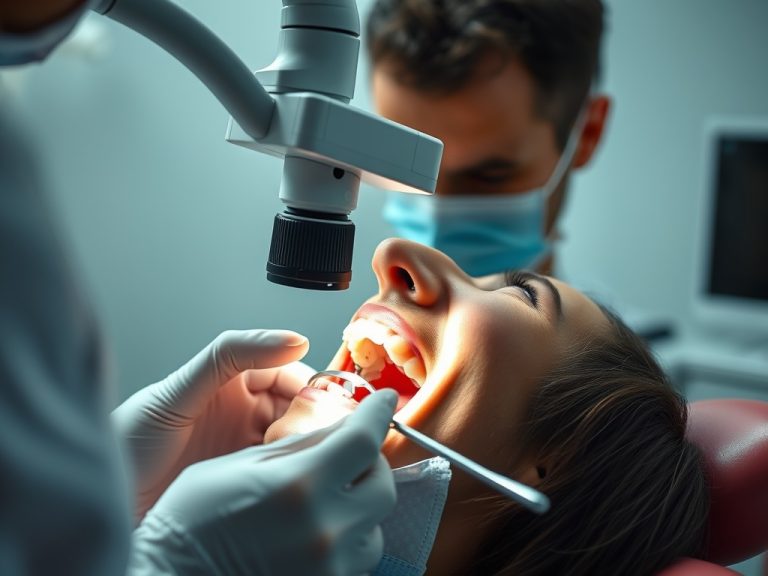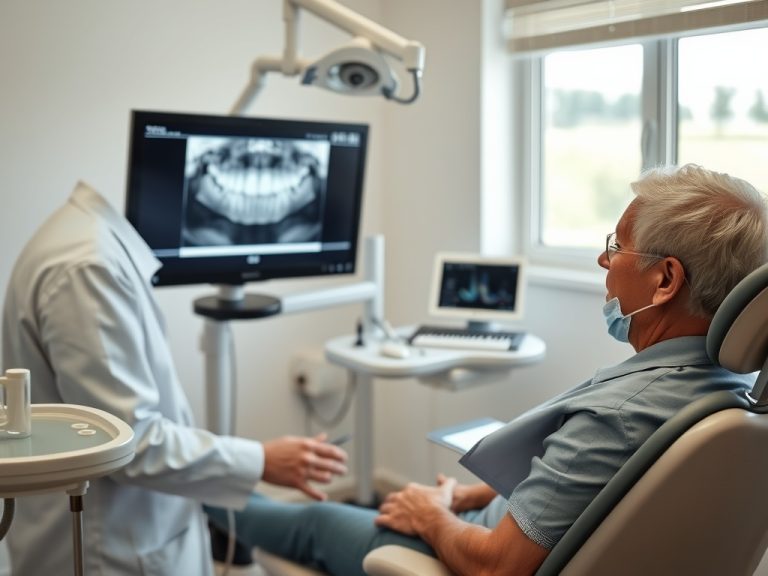
A tooth can look mostly fine right after an injury and still develop nerve damage later. That delay is what patients often miss. The initial chip, looseness, or soreness may settle, but the pulp can change over days, weeks, or months, which is why follow-up after dental trauma matters even when the first visit seems reassuring.
TL;DR
- A blow to the mouth can affect the nerve, root, and supporting tissues even if the crown damage looks small.
- Color changes, lingering sensitivity, swelling, and a “dead” feeling may appear well after the accident.
- Immediate care and later monitoring are both part of trauma treatment.
- Children, teens, sports injuries, and falls all deserve careful follow-up because the timeline of damage is not always obvious on day one.
Why symptoms can be delayed after trauma
A traumatic injury can bruise or disrupt the tooth’s blood supply and nerve without creating dramatic visible damage. The AAE patient information on traumatic dental injuries emphasizes that trauma care is not only about what broke. It is also about what may happen to the pulp and supporting tissues afterward.
That delayed pattern is why some people assume the problem is over when the lip heals and the tooth stops throbbing. In reality, the tooth may need time before tests, symptoms, or X-rays clearly reveal whether the nerve is recovering or declining.
What patients often notice later
Common delayed signs include color darkening, cold sensitivity that lingers longer than it used to, tenderness when biting, gum swelling near the root, or a small pimple-like bump on the gum. Sometimes the change is subtler: the tooth just feels different from its neighbors or stops responding to temperature in the same way.
Those signs do not always mean the tooth is lost. They do mean the story is still developing. Some teeth recover with monitoring. Others end up needing endodontic treatment because the pulp does not return to health.
Temporary steps versus definitive care
Temporary steps after an injury may include soft foods, avoiding the tooth when biting, pain control as advised, and protecting sharp edges. Definitive care depends on the injury pattern. A chipped tooth may need a restoration. A displaced or highly mobile tooth may need repositioning or splinting. A tooth with late pulp necrosis may need root canal treatment.
If the injury also created a crack, dentists have to separate trauma-related pain from structural pain. That is why evaluation of a cracked tooth overlaps with trauma follow-up in some cases.
When delayed changes become urgent
Move faster if swelling develops, the tooth becomes very tender to bite, pain wakes you at night, the tooth loosens more, or fever and facial swelling appear. Those signs suggest the problem may no longer be simple monitoring. Facial trauma with trouble breathing, heavy bleeding, suspected jaw fracture, or concussion symptoms belongs in emergency medical evaluation as well.
Patients are often unsure whether to call a dentist, urgent care, or the ER after the first shock wears off. this location-by-problem guide can help sort the logistics, but the important principle is not to ignore a tooth simply because the accident was a week ago.
Why follow-up visits matter even when you feel better
Trauma follow-up is a monitoring process, not a formality. Dentists may repeat vitality testing, compare radiographs over time, and look for color or mobility changes. Those repeat checks are often the only way to catch a slowly developing complication before it causes an abscess or a larger restoration problem.
Quick questions about Traumatic Dental Injury and Delayed Nerve Damage: What Patients Miss
Could this calm down for a while and still need treatment later? Yes. Dental symptoms often fluctuate. Improvement does not always mean the underlying cause is resolved, especially with cracks, trauma, or bite-related problems.
What details help the dentist diagnose the problem faster? Explain what triggers the symptom, how long it lasts, whether it wakes you up, and whether there was trauma, dental work, or a recent change in chewing or temperature sensitivity.
What sign means I should stop monitoring and call quickly? Swelling, fever, rapid worsening, persistent bleeding, or pain that becomes more constant and harder to manage usually means the problem has moved beyond simple watchful waiting.
Before the visit, note these details about Traumatic Dental Injury and Delayed Nerve Damage: What Patients Miss
A short symptom log is often more useful than trying to remember the whole story under stress. Patterns help the dentist separate a local irritation from a structural, infectious, or systemic issue.
- When the symptom started and whether it is getting better, worse, or simply changing shape.
- What triggers it most clearly: biting, temperature, pressure, dryness, eating, or time of day.
- Any recent trauma, dental work, medication change, or illness that appeared before it began.
- What you already tried at home and whether it helped only briefly or not at all.
Do not judge the injury only by day one
If a tooth was hit, pushed, chipped, or suddenly changed after an accident, put follow-up on your calendar even if symptoms ease. With dental trauma, the first visit starts the story. It rarely finishes it.