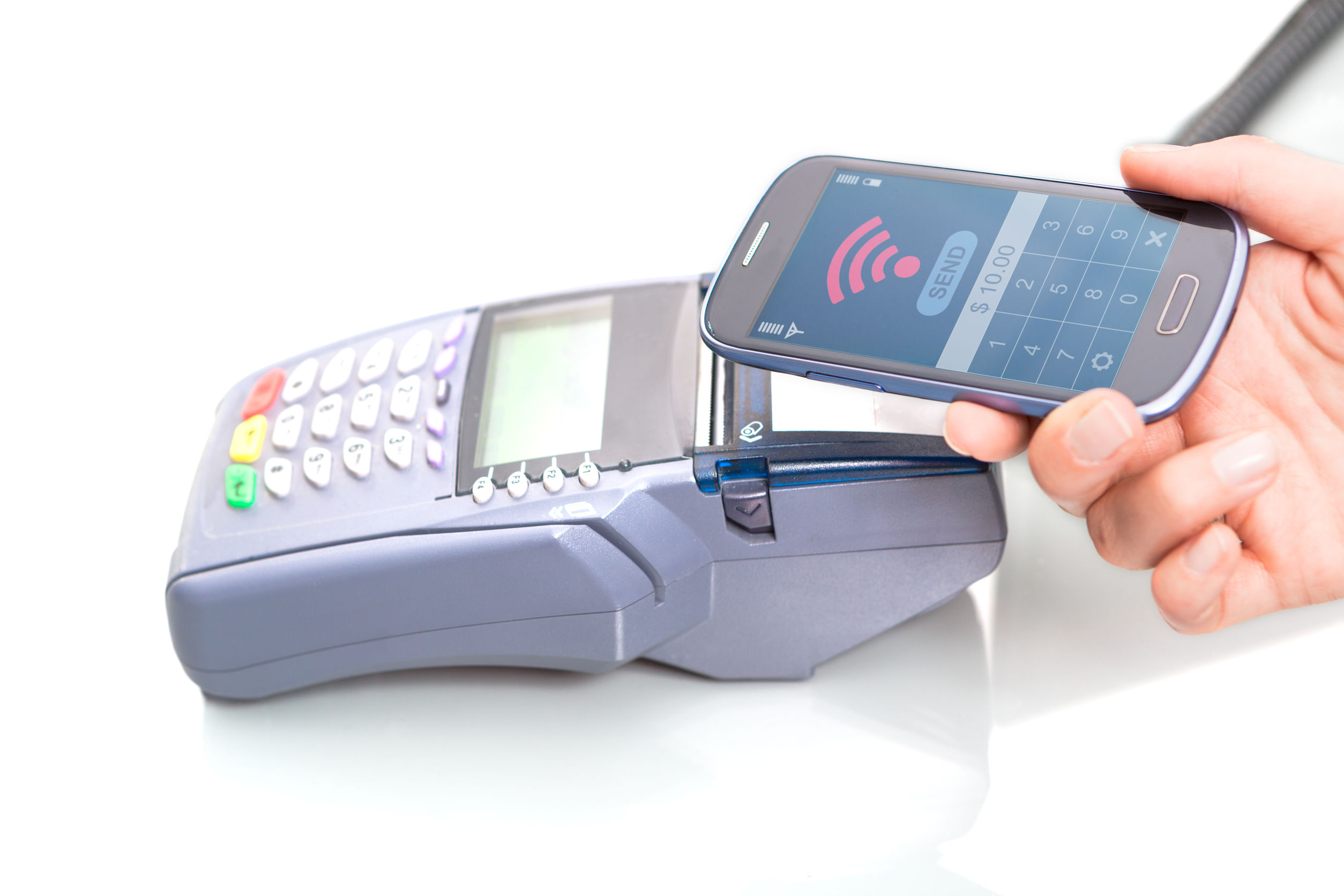
In 2026, festivals are using cashless payments, RFID wearables, and crowd-flow technology to reduce friction, gather operational data, and improve safety planning. The durable trend is not “more tech everywhere”; it is smarter infrastructure that makes entry, spending, movement, and emergency response easier to manage.
TL;DR: RFID and cashless systems can speed lines and improve reporting, but they also raise privacy, accessibility, outage, and crowd-safety questions. The best festivals pair technology with trained staff, clear policies, and backup plans.
Cashless Becomes an Operations Tool
Cashless festivals started as a convenience story: faster bar lines, fewer cash-handling risks, and easier settlement for vendors. In 2026, the stronger value is operational. Organizers can see sales patterns, peak demand, gate flow, refund needs, and staffing gaps more quickly.
That data can help adjust vendor placement, open extra lanes, restock popular areas, and identify bottlenecks. Still, cashless systems must be inclusive. Some attendees lack cards, prefer cash, have limited phone battery, or need spending controls. A good plan offers top-up stations, clear refund rules, accessible support points, and alternatives for people who cannot use the default method.
RFID Wristbands Move Beyond Entry
RFID wristbands can combine ticket validation, access zones, cashless wallets, age verification, loyalty perks, and limited personalization. The appeal is obvious: one wearable replaces a ticket, wallet, stamp, and sometimes a credential. For multi-day events, that can reduce repeat friction.
The risk is overreach. A wristband that tracks every movement or purchase can feel intrusive if the policy is vague. Organizers should explain what data is collected, why, how long it is retained, and whether it is shared. Attendee trust is part of the product.
Payment Security Is Not Optional
Any event handling card payments needs serious security practices. The PCI Security Standards Council describes itself as a global forum for developing and supporting payment data security standards through the PCI SSC. Festival teams do not need to turn attendees into compliance experts, but they do need qualified vendors, clear responsibilities, and documented processes.
Common failure points include weak vendor onboarding, shared passwords, poor refund handling, unclear offline mode, and staff who do not know what to do when a terminal fails. Cashless does not remove risk; it changes where the risk lives.
Crowd-Flow Tech Becomes Safety Support
Crowd-flow technology includes gate counters, heat maps, camera analytics, app-based messaging, staffing dashboards, and sometimes RFID or Bluetooth-based movement estimates. Used carefully, it can help event control notice pressure before it becomes dangerous. Used carelessly, it can create false confidence.
The UK Health and Safety Executive’s event guidance on managing crowds safely emphasizes planning, roles, cooperation, and emergency preparation. Technology should support those basics, not replace them. A dashboard is not a crowd manager. It is a tool for trained people.

Durable Change Versus Hype
| 2026 Development | Likely to Last | Hype Warning |
|---|---|---|
| RFID entry and access control | Reduces fraud and speeds gates | Fails if scanning infrastructure is weak |
| Cashless food and merch | Improves reporting and speed | Excludes attendees without alternatives |
| Real-time flow dashboards | Helps staff spot pressure points | Can miss context on the ground |
| App push alerts | Useful for schedule and safety updates | Useless if signal or battery fails |
| Wearable personalization | Can improve VIP or accessibility flows | Feels invasive without transparency |
The social layer matters too. Festivals are not warehouses for traffic optimization. Fans attend for shared emotion, identity, discovery, and belonging. The article on fandom creativity and community is a useful reminder that tech should protect the gathering, not flatten it.
Who Is Affected First
Large music festivals, sports-adjacent events, conventions, food festivals, and premium live experiences will feel the shift first because they have scale, vendor complexity, and safety pressure. Smaller events may adopt lightweight cashless tools or QR ticketing before full RFID.
Vendors will need faster training and clearer settlement reports. Attendees will expect transparent refund windows. Security and operations teams will need shared language around crowd density, access zones, and incident reporting. Sponsors may want data, but organizers must resist turning every attendee movement into a marketing asset.
What Attendees Should Look For
Accessibility should be part of the trend conversation from the start. A cashless-only system can be difficult for attendees with limited banking access, low phone battery, disabilities that affect device use, or caregivers managing group spending. Festivals that communicate alternatives before arrival reduce stress and protect revenue because fewer people get stuck at support desks. They also reduce conflict for frontline staff, who should not have to invent policy while lines are growing. Clear signage, pre-event emails, and help points matter as much as the payment device itself, especially for first-time attendees, international visitors, and families managing multiple wristbands at once during crowded arrival windows.
Before attending, check payment rules, refund policies, wristband replacement fees, accessibility options, and whether the event has a non-phone backup for essential information. Bring a backup card or approved top-up method if the festival is cashless. Keep wristband registration details safe.
If you are organizing a group, assign meeting points that do not depend on app access. Use landmarks, not vendor names that may change. For large events, pick a low-density meeting point outside the main exit path.
What Organizers Should Test Before Gates Open
Test offline payment mode, wristband replacement, refund support, vendor settlement, gate scanning under peak load, emergency messaging, and staff escalation paths. Run a tabletop exercise where the network fails during a headline set. Run another where a gate backs up in bad weather. If the plan only works under perfect conditions, it is not a plan.
Creative event coverage can also benefit from careful visual planning. Photographers documenting festivals should think about audience flow and client needs, as discussed in building a photography portfolio that attracts the right clients.
Festival-Tech Reality Check
The best 2026 festival technology will feel almost invisible: shorter waits, clearer information, safer movement, simpler spending, and faster support when something goes wrong. The worst will make attendees feel tracked, trapped, or helpless during outages. Choose tools that improve human operations, then prove they work before the crowd arrives.