Braces usually fail because of force, stickiness, or repeated bending, not because someone ate one “forbidden” bite by accident. The safest approach is to choose foods that do not pry on brackets, snap wires, or pack so tightly around appliances that cleaning becomes a second problem.
TL;DR
- Hard foods can shear brackets or bend wires, while sticky foods can pull appliances loose or stay trapped around them.
- Cutting foods into smaller pieces and chewing with the back teeth can prevent many avoidable breakages.
- Broken braces are not always dangerous, but protruding wires, loose bands, and swallowed parts should not be ignored.
- Prevention is easier when you already know what to do with pizza crust, nuts, ice, chewy candy, and crunchy raw foods.
The foods that cause the most trouble
The usual repeat offenders are ice, hard nuts, popcorn kernels, hard candy, thick bagels, crusty bread edges, whole raw carrots, chewy candies, and anything that invites tearing with the front teeth. It is not only the food itself. It is also how the bite is delivered. Even a sandwich can cause trouble if you bite directly into a thick crust with the front brackets.
Sticky foods create a different problem. They may not snap a bracket instantly, but they can tug on wires and elastic components while also staying packed around appliances. That double hit makes cleaning harder and raises the odds of irritation or decalcification if the residue lingers.
MouthHealthy’s braces guide also advises avoiding sticky or hard foods such as popcorn, gum, and whole apples because they can damage brackets and wires.
A step-by-step way to eat more safely with braces
Start by scanning food for hard edges, pits, seeds, bones, and sticky textures before the first bite. Cut apples, pizza, crusty sandwiches, and raw vegetables into smaller pieces instead of biting through them whole. Put firmer pieces on the back teeth and chew slowly enough to notice if something is catching oddly.
Carry a small braces kit if you are often out of the house: orthodontic wax, a travel brush, floss tools, and whatever your orthodontist recommends for stuck food. Cleaning right after a sticky meal matters because food retention is not just annoying. It can turn a minor appliance issue into a hygiene problem, which is why how later cosmetic choices may be affected is a useful companion topic.
The most common mistakes after something feels loose
A lot of patients test the loosened bracket with their fingers or keep chewing on the same side to “see if it settles.” That usually makes the problem worse. If a wire is poking, wax may help temporarily, but it does not fix the reason the wire shifted.
| Situation | Usually manageable at home for a short time? | Call the orthodontic office? |
|---|---|---|
| Mild soreness after eating something hard | Sometimes | If it persists or worsens |
| Loose bracket still attached to wire | Temporarily | Yes |
| Poking wire irritating cheek or gum | Temporarily with wax | Yes |
| Swelling, bleeding trauma, or swallowed/breathed-in part | No | Urgent advice needed |
When you can manage it yourself and when the office should take over
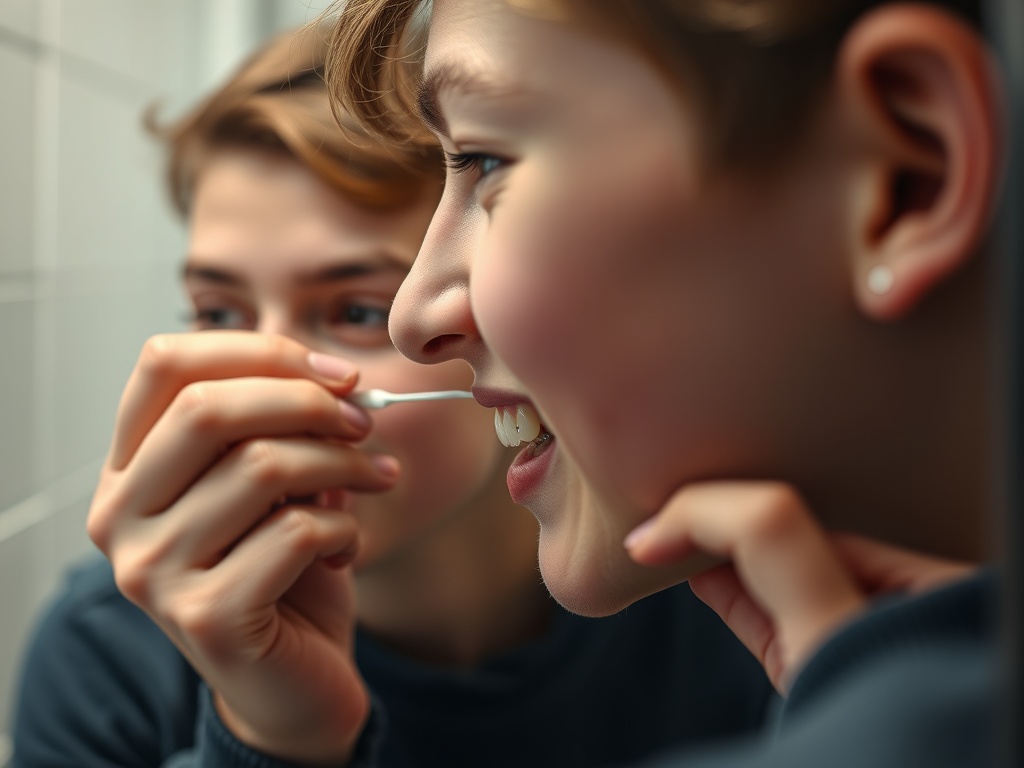
You can often manage short-term discomfort with softer foods, careful cleaning, and wax until the office gives you direction. The office should take over when a bracket is clearly loose, a band has come off, the wire is displaced, or something is cutting your cheek repeatedly. If an injury involved the tooth itself rather than just the braces, the situation can overlap with dental trauma, which makes trauma and nerve-damage follow-up worth reading too.
How to make prevention easier than repair
Prevention gets easier when you build a default list of safe choices instead of mentally policing every meal. Softer proteins, cooked vegetables, cut fruit, yogurt, pasta, rice bowls, and smaller bites of sandwiches are not exciting advice, but they reliably keep brackets out of trouble.
Quick questions about What Foods Break Braces Most Often—and How to Avoid Emergencies
Do I need special products to do this correctly? Usually not many. The most useful setup is a small set of tools you will actually keep using consistently rather than a large collection of products that complicates the routine.
What if I miss a day or have a difficult week? The main goal is to return to the routine quickly instead of treating one missed session as a reason to stop. Dentistry usually rewards consistency over perfection.
How do I know when home care is no longer enough? If pain, swelling, bleeding, trapping, or appliance damage keeps recurring despite a reasonable routine, it is time for the office to evaluate what home care cannot solve on its own.
Before the visit, note these details about What Foods Break Braces Most Often—and How to Avoid Emergencies
Practical details often change dental plans as much as clinical details do. Bringing those realities into the conversation early usually leads to recommendations you can actually carry out.
- Which part of the problem is hardest right now: cost, timing, cleaning, comfort, access, or understanding the recommendation.
- What part of your current routine already works so the next plan can build on it instead of restarting everything.
- Any barriers at home, work, school, transportation, or caregiving that could affect follow-through.
- One sentence describing what success would look like to you after the next appointment.
A braces diet does not need to feel restrictive
The best food rule is simple: if it needs tearing, crunches sharply, or turns into glue, change the food or change how you eat it. That small adjustment prevents a surprising number of emergency visits.